The Fiber-First Revolution: Why 2026 is Swapping Treats for Functional Snacks
The Great Snack Swap of 2026
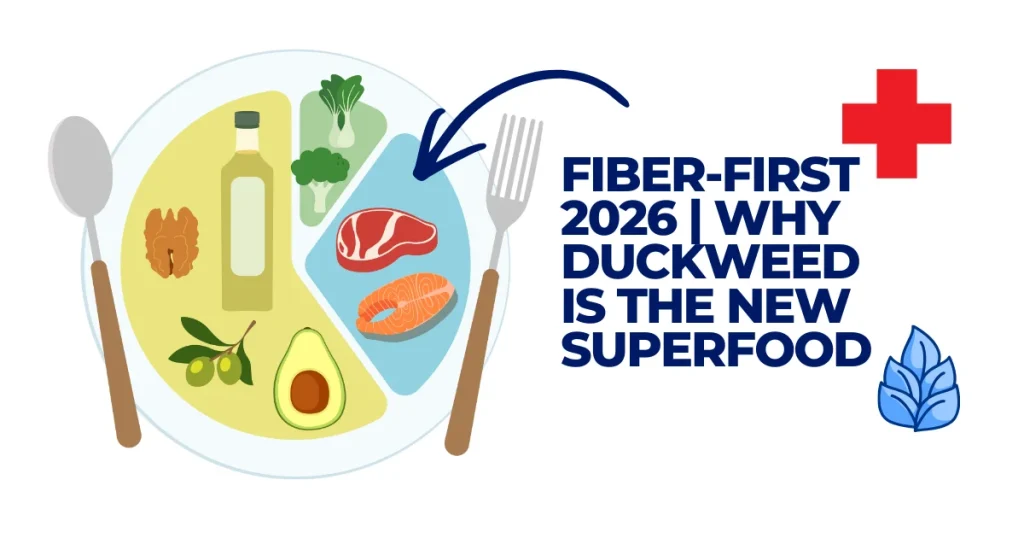
If you walk down the snack aisle today, you’ll notice something radical has happened. The flashy “100-calorie” packs and “low-fat” labels that dominated the 2010s are gathering dust. In their place, a new gold standard has emerged: The Fiber-First Standard. As we celebrate National Snack Food Month this February 2026, the conversation among health professionals has shifted. We are no longer obsessed with what a snack lacks (like calories or fat); we are obsessed with what it provides. The goal now is “High-Fiber, Low-Process,” and the breakout star of this movement is an unlikely aquatic plant: Duckweed.
Moving Beyond the “Low-Calorie” Trap
For years, the “diet” industry taught us that a good snack was a small snack. But as a health professional, I’ve seen the fallout of that logic: blood sugar crashes, “hangry” mid-afternoons, and a relentless cycle of cravings.
In 2026, the “Fiber-First” rule fixes this. Fiber is the ultimate metabolic stabilizer. It slows down the absorption of sugar, keeps your gut microbiome thriving, and provides a sense of fullness that a processed 100-calorie cookie simply cannot match. This shift, often called “Fibermaxxing” by the younger generation, is about reclaiming metabolic health one bite at a time.
The “Duckweed” Phenomenon: From Pond to Protein Bar
The most exciting research hitting my desk this week involves Duckweed (also known as Water Lentils). While it might sound like something you’d find in a koi pond, this tiny aquatic plant is being hailed as the “Holy Grail” of functional snacking in 2026.
Why is every nutritionist talking about it?
- The Fiber-Protein Punch: Duckweed is roughly 40-45% high-quality protein and packed with both soluble and insoluble fiber.
- Glycemic Control: Clinical trials recently published in Diabetes Care show that duckweed-based snacks stabilize blood sugar significantly better than traditional soy or pea-protein bars.
- The B12 Bonus: Unusually for a plant, certain strains of duckweed (like Mankai) are a natural source of Vitamin B12, making them a powerhouse for plant-based eaters.
Unlike highly processed energy bars that often rely on “chicory root fiber” or “isomalto-oligosaccharides” (which can cause bloating), duckweed offers a whole-food, minimally processed alternative that the body recognizes and digests easily.
How to Apply the Fiber-First Rule Daily
You don’t have to forage in a pond to join the trend. Here is how you can pivot your snacking strategy this month:
- Check the “Fiber-to-Carb” Ratio: Look for snacks where the total carbohydrates aren’t just empty starch. Aim for at least 3-5 grams of fiber per serving.
- Embrace Aquatic Greens: Look for “Water Lentil” or “Duckweed” powder in your morning smoothies or as an ingredient in new-age crackers.
- The “Whole” Test: If a snack bar has 20 ingredients and half of them sound like a chemistry project, it’s not functional. A true 2026 functional snack focuses on seeds, nuts, and ancient grains.
The Bottom Line
Snacking in 2026 is an act of self-care, not a guilty pleasure. By choosing fiber-rich, functional foods like duckweed, you aren’t just “staving off hunger”—you are fueling your brain, protecting your heart, and keeping your energy levels rock-steady. This National Snack Food Month, let’s leave the “empty” treats in the past and put our health first.
Health Disclaimer
This article is for educational purposes only. While high-fiber diets are generally beneficial, individuals with specific digestive conditions (like IBD or severe IBS) should increase fiber intake gradually and under the guidance of a healthcare provider. Always consult a professional before adding new supplements or significantly altering your diet. DrugsArea
Sources & References
- Nature Food: Sustainable Protein Trends 2026,
- Diabetes Care: Glycemic Effects of Mankai Duckweed,
- Wageningen University: Duckweed as a Novel Food,
- Whole Foods Market: 2026 Food Trend Report.