The “Detox” Delusion: Why Fiber and Hydration Beat Any 2026 “Cleanse”
The Persistent Myth of the “Cleanse”
Every January—and frankly, every Monday—the wellness industry undergoes a predictable transformation. Social media feeds fill up with vibrant green juices, “teatox” kits, and aggressive “liver flushes.” In 2026, despite our massive leaps in medical technology and personalized nutrition, the “detox” marketing machine is more sophisticated than ever.
But as a health professional, I’m here to tell you the truth: Your body is not a rug that needs to be beaten or a pipe that needs to be scrubbed.
The idea that we accumulate “toxins” that can only be purged by a specific tea or a three-day juice fast is a fundamental misunderstanding of human biology. If your “toxins” were truly built up to the point of needing an external cleanse, you wouldn’t be looking for a supplement—you’d be in the emergency room.
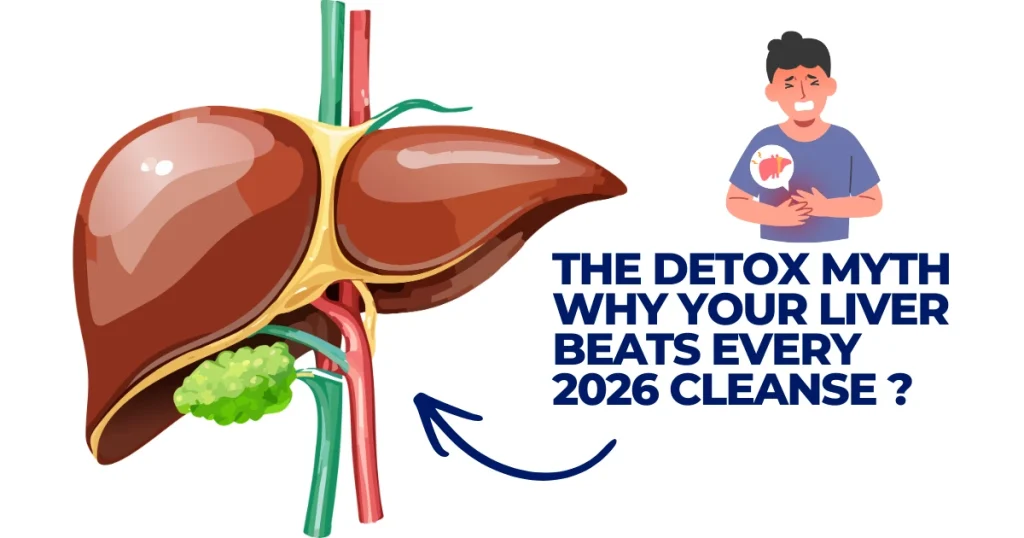
Your In-House Detox Team: Liver and Kidneys
To understand why most “detox” products are unnecessary, we have to respect the incredible machinery you already own.
The Liver: The Ultimate Filter
The liver is your body’s primary filtration system. It converts toxins into waste products, cleans your blood, and metabolizes nutrients. It doesn’t “store” toxins like a trash can; it processes them. In 2026, we know more than ever about Phase I and Phase II detoxification pathways. These pathways don’t require expensive powders; they require amino acids from protein and antioxidants from whole foods.
The Kidneys: The Precision Balance
Your kidneys are constantly monitoring your blood chemistry. They filter out waste products and excess water, which are then excreted. They are incredibly efficient—as long as they have enough water to work with.
Why Fiber is the Real “Detox” Hero
If you want to support your body’s natural waste removal, you don’t need a laxative-heavy tea. You need fiber.
Fiber is the “broom” of the digestive tract. It comes in two essential forms:
- Soluble Fiber: Found in oats, beans, and apples. It turns into a gel-like substance that helps lower cholesterol and stabilize blood sugar.
- Insoluble Fiber: Found in whole grains and vegetables. This adds bulk to your stool and keeps things moving.
When you eat a high-fiber diet, you are physically ushering waste products out of your body. Without enough fiber, bile (which carries waste processed by the liver) can actually be reabsorbed into your system. Fiber binds to this waste and ensures it leaves the body.
2026 Perspective: The Microbiome Connection
Recent studies in 2025 and 2026 have doubled down on the “Gut-Liver Axis.” A healthy gut microbiome, fed by diverse fibers, produces short-chain fatty acids (SCFAs). These SCFAs actually protect the liver from inflammation. A “juice cleanse” that removes the fiber from fruit is actually doing your gut a disservice.
The Hydration Equation
We often hear “drink more water,” but in 2026, we focus on quality hydration. Water is the solvent that allows your kidneys to flush out urea and uric acid.
However, “flushing” doesn’t mean drinking three gallons a day. It means consistent, adequate intake. When you are dehydrated, your blood becomes more concentrated, and your kidneys have to work significantly harder to filter out waste.
- Pro Tip: Look at your urine. If it’s the color of pale lemonade, you’re doing great. If it’s dark like apple juice, your kidneys are asking for help.
The Pillars of Real 2026 Wellness
If we are moving away from the “detox” powders, what should we move toward? The answer is found in the basics, optimized by modern science.
1. Adequate Protein
Detoxification in the liver is an enzyme-driven process. Enzymes are made of protein. If you are on a “juice-only” cleanse, you are likely depriving your liver of the very building blocks (amino acids like cysteine and glycine) it needs to do its job.
2. Quality Sleep
In the last few years, we’ve learned about the glymphatic system. This is essentially a waste-clearance system for your brain. It only functions at full capacity while you are in deep sleep. You can drink all the charcoal lemonade you want, but if you aren’t sleeping 7–9 hours, your brain isn’t “detoxing.”
3. Sweating (Natural Excretion)
Your skin is your largest organ. While it isn’t the primary way we remove toxins (that’s the liver and kidneys’ job), sweating through exercise helps with circulation and helps move waste products through the lymphatic system.
The Danger of “Detox” Products
Most “cleanse” products on the market today rely on three deceptive tactics:
- Laxatives: Many teas contain senna, which causes frequent bowel movements. You aren’t “losing toxins”; you’re losing water and vital electrolytes.
- Diuretics: These make you pee more, giving you the illusion of “weight loss” that is actually just temporary dehydration.
- Caloric Restriction: Feeling “light” on a juice cleanse is usually just the result of a massive calorie deficit, which eventually leads to a metabolic slowdown.
| The “Cleanse” Myth | The Biological Reality |
|---|---|
| Teas “flush” the liver. | The liver uses protein and antioxidants to process waste. |
| Juices “reset” the gut. | Removing fiber starves the “good” bacteria in your gut. |
| Sweating “releases” heavy metals. | Sweat is 99% water; kidneys handle the heavy lifting. |
| You need to “rest” your organs. | Your organs are designed to work 24/7; they just need fuel. |
Conclusion: Stop Cleansing, Start Supporting
The “Detox Delusion” persists because it promises a quick fix for a lifestyle problem. But in 2026, the most “advanced” thing you can do for your health is to return to the fundamentals.
Support your liver with leafy greens and lean protein. Support your kidneys with consistent hydration. Support your gut with diverse fibers. And support your brain with consistent sleep. Your body doesn’t need a reboot—it just needs the right supplies to keep running the incredible software it already has.
Ready to ditch the tea and start the real work?
Health Disclaimer
The information provided in this article is for educational and informational purposes only and is not intended as medical advice. Always consult with a qualified healthcare professional or your primary physician before making significant changes to your diet, starting a supplement regimen, or if you have concerns about your metabolic health. DrugsArea
Sources & References
- National Institutes of Health: How the Liver Works
- Harvard Health: The Detox Myth
- Journal of Renal Nutrition: Hydration and Kidney Function (2025 Study)
- The Lancet: The Impact of Dietary Fiber on the Microbiome
- Mayo Clinic: Nutrition and Healthy Eating
People Also Ask
1. Do detox diets actually work for weight loss?
Short answer: Temporarily, yes; sustainably, no. Most 2026 “cleanses” trigger a quick drop in scale weight by flushing out water and glycogen (stored carbs). However, once you resume normal eating, the weight returns. Real fat loss is a metabolic process, not a “flushing” process.
2. Is there any scientific evidence for juice cleanses?
Honestly? Very little. Your body doesn’t need a green juice to “reset.” While juices provide vitamins, they strip away the most important part of the plant: fiber. Without fiber, you’re essentially drinking a concentrated hit of sugar that spikes your insulin and leaves your liver doing more work, not less.
3. How does fiber help the body detoxify naturally?
Fiber is the body’s natural “broom.” While liquid cleanses just pass through you, insoluble fiber adds bulk to your stool and physically sweeps waste out of your colon. Soluble fiber binds to bile acids and toxins in the gut, ensuring they are actually excreted rather than reabsorbed into your bloodstream.
4. Can you drink too much water during a hydration cleanse?
Yes, it’s a condition called hyponatremia. If you chug gallons of water without replenishing electrolytes (like sodium and potassium), you dilute your blood to dangerous levels. True hydration isn’t about volume; it’s about balance. Aim for pale yellow urine, not clear.
5. What are the signs that my body is detoxing on its own?
Your body is always detoxing. If your liver is functioning, your kidneys are filtering blood, and you are having regular bowel movements, the system is working. You don’t need a “healing crisis” (like headaches or fatigue from a juice fast) to know your body is cleaning itself.
6. Why is fiber better than a liquid detox?
Fiber regulates blood sugar and feeds your microbiome. The “good” bacteria in your gut live on fiber, and a healthy microbiome is your first line of defense against toxins. A liquid diet effectively starves these beneficial bacteria, which can actually weaken your immune system.
7. What are the best high-fiber foods for a natural cleanse?
Skip the expensive supplements and go for the “big hitters”:
- Legumes: Lentils, chickpeas, and black beans.
- Cruciferous Veggies: Broccoli, Brussels sprouts, and cauliflower.
- Berries: Raspberries and blackberries have the highest fiber-to-sugar ratio.
- Seeds: Chia and flaxseeds are elite-tier “sweepers.”
8. Does lemon water actually detox your liver?
It’s a great way to stay hydrated and get some Vitamin C, but it doesn’t “strip” toxins from your liver. The liver processes toxins via complex enzymatic pathways (Phase I and Phase II detoxification), which require amino acids from protein—something lemon water completely lacks.
9. How long does it take for fiber to clear your system?
You’ll usually feel the “de-bloating” effects of increased fiber and hydration within 24 to 48 hours. However, your gut needs about two weeks to fully adjust to a high-fiber lifestyle without gas or discomfort. Slow and steady wins here.
10. Are 2026 detox supplements safe?
Many “cleansing” supplements contain hidden laxatives like senna or high doses of caffeine. These can cause dehydration, electrolyte imbalances, and dependency. If a product promises to “flush” you, it’s likely just an overpriced laxative. Stick to whole foods and tap water; your wallet and your kidneys will thank you.