Brain Health is Wealth: The Rise of “Neuro-Integrity” and Sleep Optimization
For decades, the wellness industry sold us a vision of health that was skin-deep. We focused on muscle tone, clear skin, and “looking the part.” But as we move through 2026, the global conversation has pivoted. We’ve realized that a high-performance body is useless if the “computer” running it is lagging.
The new gold standard? Neuro-Integrity. This isn’t just a buzzword; it’s a medical shift from mere mindfulness to the physical preservation of our neural architecture.
What is Neuro-Integrity?
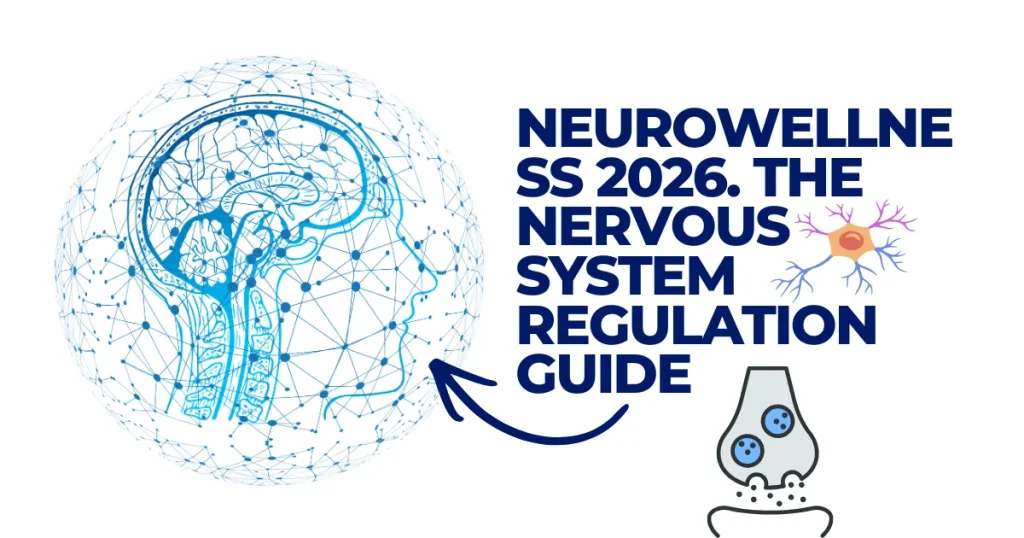
In clinical terms, neuro-integrity refers to the structural soundness of your brain, particularly the white matter. If gray matter is where the processing happens, white matter is the high-speed fiber-optic cabling that connects everything.
White matter is coated in myelin, a fatty sheath that allows electrical impulses to travel rapidly between brain regions. When this integrity is compromised—through age, poor sleep, or chronic stress—we experience “brain fog,” slower processing speeds, and a higher risk of neurodegenerative diseases. In 2026, wellness is no longer about just feeling good; it’s about ensuring your brain’s communication highways remain open and fast.
The Glymphatic System: The Brain’s Nightly “Janitor”
The most significant discovery fueling this trend is our understanding of the glymphatic system. Think of it as the brain’s waste-clearance department.
During the day, your brain’s metabolic activity creates “trash,” including proteins like amyloid-beta and tau. If these accumulate, they act like sludge in an engine. The glymphatic system is responsible for flushing this waste out, but there’s a catch: it only works at full capacity during deep, slow-wave sleep.
During deep sleep, your brain cells actually shrink by about 60%, allowing cerebrospinal fluid to rush in and wash away the day’s metabolic debris. Without enough deep sleep, your brain is essentially “living in its own trash.”
2026 Trend: Wearable Neurofeedback for Sleep
Until recently, we could only track if we slept, not how to improve it in real-time. In 2026, we’ve seen an explosion in wearable neurofeedback devices—headbands and sensors that do more than just record data.
These devices use Closed-Loop Auditory Stimulation (CLAS). They monitor your brain waves in real-time, and when they detect you entering a deep sleep phase, they play subtle, rhythmic “pink noise” or tones. These sounds are synced with your brain’s natural slow waves, effectively “pacing” the brain to stay in deep sleep longer.
By extending the duration of the waste-clearance phase, these wearables are helping people optimize their neuro-integrity from their own bedrooms.
Investing in Your “Neural Capital”
As a health professional, my advice is simple: treat your sleep like a high-yield savings account. You can’t “cheat” the system without paying interest in the form of cognitive decline.
- Prioritize Consistency: Your brain’s “waste-clearance” schedule is tied to your circadian rhythm.
- Leverage Tech Wisely: Use neurofeedback tools not just for data, but to actively lengthen your deep sleep cycles.
- Focus on Integrity: Nutrition, hydration, and movement all support the myelin that protects your white matter.
Sources & References
- National Library of Medicine: White Matter and Cognitive Aging
- Cleveland Clinic: The Glymphatic System Explained
- News-Medical: Wearable Devices for Brain Waste Clearance
- Global Wellness Institute: 2026 Neurowellness Trends
Health Disclaimer
This content is for informational purposes only and does not constitute medical advice. Always consult with a qualified healthcare provider regarding a medical condition or before starting any new health technology or supplement regimen. DrugsArea
People Also Ask
1. What exactly is the “Neuro-Integrity Revolution”?
It is a global shift where brain health is treated as a foundational economic asset rather than just a medical concern. It emphasizes “Neuro-Integrity”—the preservation of optimal brain structure and function—as the key to maintaining creativity, resilience, and productivity in an AI-driven economy.
2. Why is brain health being called the “new wealth” in 2026?
In a world where automation handles routine tasks, “Brain Capital” (your cognitive and emotional skills) is your most valuable currency. Your ability to think critically, adapt, and solve complex problems directly determines your earning potential and long-term financial stability.
3. How does neuro-integrity impact daily productivity?
Neuro-integrity ensures that your “internal hardware” is functioning without interference. When your neural pathways are healthy, you experience less brain fog, faster decision-making, and better emotional regulation, allowing you to sustain high-level focus (monotasking) for longer periods.
4. What are the “Six Pillars” of maintaining brain wealth?
The revolution focuses on six science-backed areas: consistent quality sleep, physical movement, a brain-boosting diet (like Omega-3s), stress management through mindfulness, social connection, and continuous cognitive “exercise” or learning.
5. Can neuro-integrity help prevent burnout and stress?
Yes. By prioritizing neuro-integrity, you strengthen the brain’s stress-response systems. This prevents chronic cortisol spikes from damaging the hippocampus (the brain’s memory center), making you more resilient to the pressures of a high-speed work environment.
6. What is the difference between “Brain Health” and “Brain Wealth”?
“Brain Health” is the medical state of being free from disease. “Brain Wealth” is the strategic accumulation of cognitive reserve and mental agility over your lifetime. It’s an investment mindset where you take proactive steps today to ensure your brain stays sharp well into your 80s.
7. How is AI influencing the Neuro-Integrity Revolution?
AI is a double-edged sword. While it assists with tasks, excessive screen time and “digital overload” can lead to neurodegeneration. The revolution encourages “digital minimalism”—using tech to enhance your brain (like biohacking tools) rather than letting it distract and deplete your cognitive energy.
8. Are there specific supplements recommended for neuro-integrity?
Current trends in 2026 highlight “Neuro-nutrients” such as B-vitamins (B12 and Folate) for nervous system support, adaptogens like Ashwagandha for stress, and high-quality Omega-3 fatty acids to maintain the structural integrity of brain cell membranes.
9. How can employers support the neuro-integrity of their teams?
Forward-thinking companies are moving toward “Brain-Positive” environments. This includes “Monotasking Mondays,” providing “quiet zones” for deep work, offering neuro-inclusive benefits, and promoting a culture where mental recovery is valued as much as output.
10. Is neuro-integrity only for aging adults?
Actually, the revolution starts early. Evidence shows that “Brain Wealth” is built over a lifespan. Protecting your brain in your 20s and 30s through trauma avoidance, limiting toxins, and managing sleep is what prevents the cognitive “bankruptcy” often seen in later years.