The Hidden Link Between Gut Health and Cognitive Longevity
For decades, the brain was viewed as an isolated fortress, protected by the blood-brain barrier and operating independently from the rest of the body’s “messy” biological processes. However, a seismic shift in medical understanding has occurred. We now know that the road to a sharp mind in old age does not begin in the head—it begins in the gut.
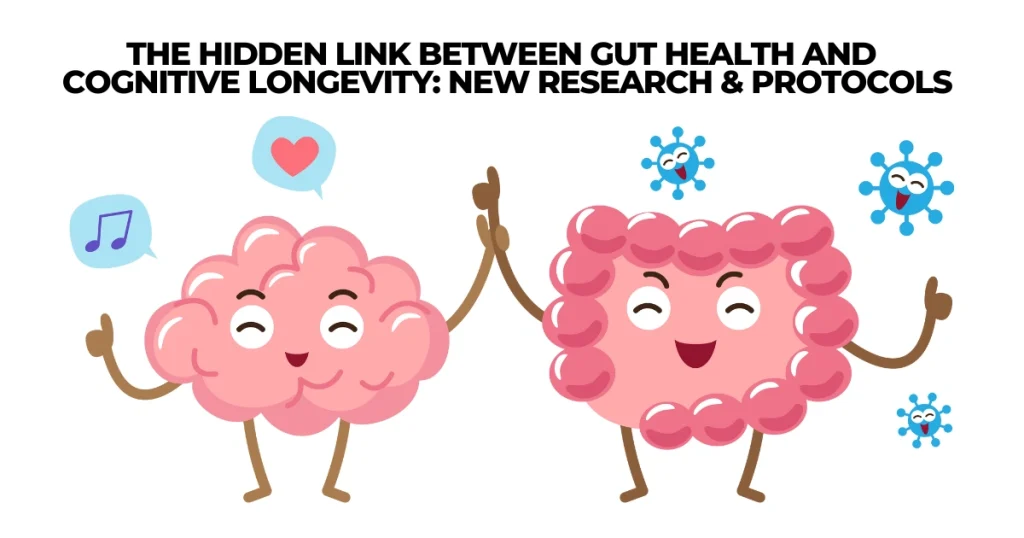
The connection between gut health and cognitive function is no longer just a theory; it is a scientifically validated biological superhighway known as the gut-brain axis. As we move into 2026, emerging research is revealing that the trillions of bacteria residing in our digestive tract act as the “control center” for cognitive longevity, influencing everything from memory retention to the risk of neurodegenerative diseases like Alzheimer’s.
This article explores the hidden mechanisms connecting your microbiome to your mind, backed by the latest data and evidence, and provides a blueprint for preserving your cognitive youth.Getty Images
The Biological Superhighway: How the Gut Talks to the Brain
The communication between the gut and the brain is bidirectional and occurs through three primary channels: the nervous system, the immune system, and chemical signaling.
1. The Vagus Nerve: The Physical Connection
The vagus nerve is the longest cranial nerve in the body, physically connecting the brainstem to the colon. It acts as a telephone line, transmitting signals in split seconds. Research has shown that severing the vagus nerve in mice halts the transmission of gut-derived anxiety to the brain, proving that the gut directly modulates emotional and cognitive states.
2. Neurotransmitter Production
It is often cited that the gut is the “second brain,” and chemically, this is accurate. Approximately 90% to 95% of the body’s serotonin—the key hormone that stabilizes our mood, feelings of well-being, and happiness—is produced in the gut, not the brain. Furthermore, gut bacteria produce Gamma-aminobutyric acid (GABA), a neurotransmitter that controls feelings of fear and anxiety. Dysbiosis (an imbalance in gut bacteria) can throttle the production of these critical chemicals, leading to “brain fog” and cognitive decline.
3. The Immune System and “Inflammaging”
Perhaps the most critical link for longevity is inflammation. As we age, the integrity of the gut lining can weaken—a condition often called “leaky gut.” This allows endotoxins (specifically Lipopolysaccharides or LPS) to leak into the bloodstream.
Key Term: Inflammaging
A chronic, low-grade inflammation associated with aging. When gut toxins breach the gut barrier, they trigger systemic inflammation that can cross the blood-brain barrier.
Once in the brain, these toxins activate microglia (the brain’s immune cells). Chronic activation of microglia leads them to attack healthy neurons, contributing to the synaptic loss seen in dementia and Alzheimer’s disease.
The Evidence: What the Latest Research Tells Us (2024-2025)
Recent studies have moved beyond association to causation, identifying specific bacterial strains and metabolites responsible for cognitive health.
The Alzheimer’s Connection
A landmark review published in late 2025 highlighted that patients with Alzheimer’s Disease (AD) exhibit a distinct microbiome “signature”—specifically, a reduction in anti-inflammatory bacteria like Eubacterium rectale and an increase in pro-inflammatory taxa like Bacteroides.
Research from Probiota 2025 and recent Nature studies have identified Imidazole Propionate, a molecule produced by specific gut bacteria, as a contributor to plaque buildup in arteries and potentially in the brain. This suggests that modulating the gut could be a preventative strategy for atherosclerosis-related cognitive decline (Vascular Dementia).
Short-Chain Fatty Acids (SCFAs): The Brain’s Fuel
When your gut bacteria ferment dietary fiber, they produce Short-Chain Fatty Acids, primarily Butyrate, Acetate, and Propionate. Butyrate is a superstar for the brain.
- Evidence: A 2024 study involving stroke recovery in mice found that SCFA supplementation significantly improved motor function and cortical connectivity.
- Mechanism: Butyrate inhibits enzymes called histone deacetylases (HDACs). By doing so, it increases the expression of Brain-Derived Neurotrophic Factor (BDNF). BDNF is essentially “fertilizer” for the brain, encouraging the growth of new neurons (neurogenesis) and protecting existing ones.
The “Psychobiotic” Revolution
Clinical trials in 2025 involving adults aged 60+ demonstrated that supplementation with specific probiotic strains (such as Lactobacillus plantarum and Bifidobacterium breve) combined with prebiotics (inulin) led to measurable improvements in cognitive performance compared to a placebo. These specific bacteria are now being termed “psychobiotics” for their targeted mental health benefits.
The Cognitive Gut Protocol: Actionable Steps
Understanding the science is useless without application. To leverage gut health and cognitive function for longevity, you must actively cultivate a pro-cognitive microbiome.
1. Dietary Interventions: Feed the Good Guys
- Polyphenol-Rich Foods: Polyphenols are plant compounds that gut bacteria love. They are found in dark chocolate, blueberries, green tea, and olive oil. They inhibit the growth of pathogenic bacteria and stimulate beneficial ones.
- The Fiber “Gap”: To produce brain-protecting SCFAs (Butyrate), you need fiber. Aim for 30g+ daily from diverse sources: artichokes, garlic, onions, oats, and legumes.
- Fermented Foods: A 2021 Stanford study showed that a diet high in fermented foods (kimchi, kefir, sauerkraut) increased microbiome diversity and decreased inflammatory markers more effectively than a high-fiber diet alone.
2. Strategic Supplementation (Psychobiotics)
While whole food is best, aging guts often need support. Look for supplements containing:
- Lactobacillus rhamnosus (GG): Linked to reduced anxiety and improved GABA receptors.
- Bifidobacterium longum (1714): Shown to reduce cortisol and improve stress resilience.
- Lactobacillus plantarum: Noted for its potential to reduce neuroinflammation.
3. Lifestyle: The Vagus Nerve Reset
You can physically tone your vagus nerve to improve gut-brain signaling:
- Cold Exposure: Ending your shower with 30 seconds of cold water stimulates the vagus nerve.
- Deep Diaphragmatic Breathing: Slow, deep breaths (exhaling longer than you inhale) switch the body from “fight or flight” (sympathetic) to “rest and digest” (parasympathetic), aiding both digestion and mental clarity.
Table: The Good vs. The Bad for Cognitive Gut Health [Link Between Gut Health and Cognitive Longevity]
| Category | Cognitive Enhancers (Eubiosis) | Cognitive Destroyers (Dysbiosis) |
| Bacteria | Lactobacillus, Bifidobacterium, Akkermansia | Clostridium difficile, Candida overgrowth |
| Food Sources | Prebiotic fibers (Inulin), Omega-3s, Fermented foods | Ultra-processed sugars, Artificial sweeteners, Trans fats |
| Metabolites | Butyrate, Acetate, Serotonin, BDNF | Lipopolysaccharides (LPS), Pro-inflammatory cytokines |
| Lifestyle | Regular sleep, Exercise, Stress management | Chronic stress, Antibiotic overuse, Sleep deprivation |
Future Outlook: Precision Neuro-Nutrition
The future of gut health and cognitive function lies in personalization. We are moving away from generic probiotic advice toward “Precision Neuro-Nutrition.” Soon, stool testing will not just tell you about your digestion but will predict your risk of cognitive decline years in advance.
Innovations presented at Probiota 2025 suggest that future therapies may involve “Postbiotics”—skipping the live bacteria entirely and directly administering the beneficial metabolites (like Butyrate) to the gut to ensure they reach the brain.
Furthermore, the concept of “Microbiota Transfer Therapy” (MTT), or fecal transplants, is currently being studied for halting the progression of Alzheimer’s. While still in early stages, animal models have shown that transplanting the microbiome of a young, healthy mouse into an old mouse can reverse some aspects of age-related cognitive decline.
Conclusion
The link between gut health and cognitive function offers a radically empowering perspective on aging. We are not helpless against the decline of our minds. By tending to the microbial garden within us, we can lower inflammation, boost neuroplasticity, and potentially ward off devastating neurodegenerative diseases.
The data is clear: if you want to protect your brain, you must heal your gut. Cognitive longevity is not just about Sudoku puzzles and learning new languages; it is about fiber, fermentation, and fostering a diverse ecosystem within. DrugsArea
Health Disclaimer
This article is for informational purposes only and does not constitute medical or legal advice. Regulations regarding controlled substances are subject to change. Always consult with a licensed healthcare professional for medical diagnoses and treatment plans. If you are experiencing a medical emergency, please call 911 or your local emergency services immediately. DrugsArea
Sources
People Also Ask
1. What exactly is the “hidden link” between my gut and my brain?
The “hidden link” is the Gut-Brain Axis (GBA), a bidirectional communication network. It connects your Central Nervous System (brain and spinal cord) to your Enteric Nervous System (the “second brain” in your gut). This connection isn’t just metaphorical; it is physical (via the Vagus nerve) and chemical (via neurotransmitters and hormones). When your gut microbiome is unbalanced, it sends distress signals to the brain, which research increasingly links to long-term cognitive decline.
2. How can bacteria in my stomach possibly affect my memory?
Your gut bacteria produce chemical messengers that travel to the brain. These include:
- Neurotransmitters: Over 90% of your body’s serotonin (which regulates mood and cognition) is produced in the gut.
- Short-Chain Fatty Acids (SCFAs): When bacteria ferment fiber, they create SCFAs like butyrate. Butyrate helps repair the Blood-Brain Barrier and stimulates the production of Brain-Derived Neurotrophic Factor (BDNF), a protein crucial for forming new memories.
3. What is “Leaky Brain,” and is it caused by a “Leaky Gut”?
“Leaky Gut” (intestinal permeability) occurs when the lining of the intestine weakens, allowing toxins and bacteria to enter the bloodstream. This causes systemic inflammation.
Emerging research suggests this inflammation can weaken the protective barrier around the brain (the Blood-Brain Barrier), leading to “Leaky Brain.” This allows inflammatory molecules to enter neural tissue, potentially accelerating neurodegeneration and “brain fog.”
4. Can poor gut health cause Alzheimer’s or dementia?
While we cannot yet say it causes them, there is a strong correlation. Studies show that patients with Alzheimer’s often have a distinctly different microbiome composition compared to healthy individuals (often lacking diversity).
Some theories suggest that certain gut bacteria produce amyloid proteins (similar to those found in Alzheimer’s plaques) that may trigger the immune system to create inflammation in the brain, contributing to disease progression.
5. What are “Psychobiotics”?
Psychobiotics are a specific class of probiotics (live bacteria) and prebiotics (fiber that feeds bacteria) that yield mental health benefits. Unlike general probiotics for digestion, psychobiotics are studied for their ability to lower cortisol (stress hormone), improve mood, and potentially sharpen cognitive function. Strains like Lactobacillus helveticus and Bifidobacterium longum are frequently researched in this category.
6. I have a family history of cognitive decline. Is it too late to change my microbiome?
It is rarely too late. Unlike your genetics, your microbiome is dynamic and can change rapidly—sometimes within days of a significant dietary shift. While you cannot change your DNA, adopting a gut-friendly diet in mid-to-late life can still reduce systemic inflammation and support brain plasticity.
7. Does chronic stress damage the gut-brain connection?
Yes. Stress puts the body in “fight or flight” mode, which can shut down digestion and alter the composition of gut bacteria (killing off beneficial strains). This creates a vicious cycle: stress causes a poor microbiome, and a poor microbiome produces fewer mood-regulating chemicals, making you less resilient to stress.
8. What is the single best dietary change for cognitive longevity?
Increasing diversity. A diverse diet leads to a diverse microbiome, which is the hallmark of resilience.
- Fiber: Eat a wide variety of plants (aim for 30 different plants per week) to feed different bacterial species.
- Polyphenols: Compounds found in berries, dark chocolate, and green tea that feed beneficial bacteria and protect the brain from oxidative stress.
9. Do antibiotics affect my long-term brain health?
Antibiotics can create a temporary state of “dysbiosis” (microbial imbalance). While most microbiomes recover, frequent or long-term use without restorative care (like probiotics or prebiotic foods) can leave the gut vulnerable. Some observational studies have found a modest association between chronic antibiotic use in midlife and lower cognitive scores later in life, likely due to the reduction of beneficial, anti-inflammatory bacteria.
10. What are the early warning signs that my gut is affecting my brain?
Before serious cognitive decline sets in, you might notice subtler signs of a disrupted axis, such as:
- Persistent “brain fog” or difficulty concentrating after meals.
- Unexplained anxiety or mood swings coupled with digestive issues (bloating, constipation).
- Chronic fatigue that doesn’t improve with sleep.