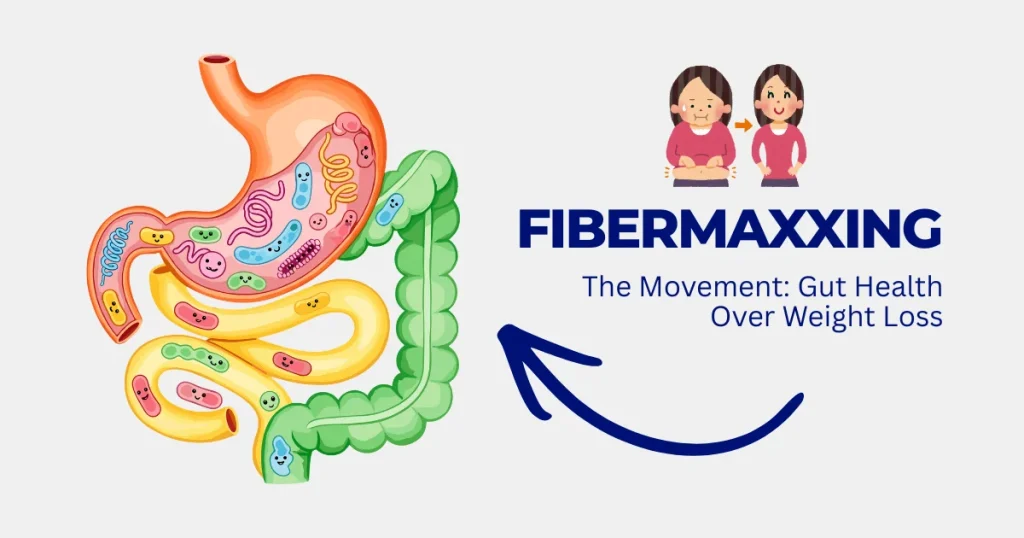
The “Fibermaxxing” Movement: Gut Health Over Weight Loss
In the landscape of 2026 wellness, the pendulum has officially swung away from the “thin at all costs” era and landed firmly on metabolic resilience. We’ve entered the age of Fibermaxxing.
As a health professional navigating the intersection of clinical nutrition and modern weight management, I’ve seen countless trends come and go. However, Fibermaxxing is different. It isn’t a restrictive “diet” or a temporary fad; it is a physiological necessity born from our increasing reliance on metabolic medications and a growing understanding of the human microbiome.
The Shift: From Calories to Colon Health
For decades, the metric of success was the scale. If the number went down, the diet was “working.” But 2026 has brought a collective epiphany: weight loss without metabolic health is a hollow victory.
“Fibermaxxing” is the practice of intentionally maximizing dietary fiber—targeting 25–35g per day—not just for digestion, but as a lever for hormonal balance. By prioritizing whole-food sources like lentils, chickpeas, and berries, we are moving beyond the “calories in, calories out” (CICO) model and focusing on how food communicates with our blood sugar and hunger hormones.
Why 2026 is the Year of the Gut
Several factors have converged to make fiber the “it” nutrient of the year:
- The GLP-1 Companion: With the widespread use of GLP-1 medications (like semaglutide and tirzepatide), patients are realizing that while these drugs suppress appetite, they can also slow down gut motility. Fiber is the essential “clean-up crew” that keeps the system moving and supports the microbiome while on these medications.
- Blood Sugar Mastery: We’ve become a society of glucose monitor enthusiasts. Fiber is the ultimate natural “buffer,” slowing the absorption of sugar and preventing the insulin spikes that lead to fat storage and energy crashes.
- The Satiety Secret: Fiber triggers the release of natural GLP-1 in the gut. By “maxxing” your fiber, you are essentially biohacking your body’s own fullness signals.
The Fibermaxxing Hierarchy: What to Eat
To reach 35g of fiber without bloating, you need a strategy. You cannot simply supplement your way there; the synergy of whole-food phytonutrients is irreplaceable.
1. The Legume Legends
Lentils and chickpeas are the undisputed kings of Fibermaxxing.
- Lentils: Provide roughly 15g of fiber per cooked cup.
- Chickpeas: Offer about 12g per cup and are incredibly versatile for meal prepping.
2. The Berry Boost
When it comes to fruit, berries are the high-fiber, low-sugar champions. Raspberries and blackberries contain roughly 8g of fiber per cup, making them the perfect “Fibermaxxing” dessert.
3. Seeds and Power Add-ons
Chia seeds and flaxseeds are the “secret weapons.” Two tablespoons of chia seeds provide a staggering 10g of fiber. Sprinkling these onto Greek yogurt or salads is an effortless way to bridge the gap toward your 35g goal.
The GLP-1 Connection: A Clinical Necessity
If you are among the millions utilizing medical weight loss interventions, Fibermaxxing isn’t optional—it’s a safety protocol. GLP-1 medications can lead to a loss of muscle mass if protein isn’t prioritized, and a “lazy gut” if fiber is ignored.
Fiber helps maintain gut motility, preventing the common side effect of constipation. Furthermore, by stabilizing blood sugar through fiber, patients can often manage with lower doses of medication while achieving better long-term metabolic markers.
The “Slow and Steady” Rule
A word of professional caution: do not go from 10g to 35g of fiber overnight. Your microbiome needs time to adapt.
- Increase intake by 5g per week.
- Hydrate aggressively. Fiber needs water to move through your system; without it, you’re just creating a “brick” in your digestive tract.
Conclusion: The New Gold Standard
Fibermaxxing represents a more mature approach to health. It acknowledges that looking good is a byproduct of functioning well. In 2026, we aren’t just trying to be smaller; we’re trying to be more resilient, more energized, and more attuned to our internal ecosystems.
Medical Disclaimer
The information provided in this article is for educational and informational purposes only and is not intended as medical advice. Always seek the advice of your physician or other qualified health provider with any questions you may have regarding a medical condition, particularly before starting a new dietary regimen or if you are currently taking GLP-1 receptor agonists or other medications. . DrugsArea
Sources & References
- Mayo Clinic: Dietary fiber: Essential for a healthy diet
- Harvard T.H. Chan School of Public Health: Fiber
- National Institutes of Health (NIH): Role of Dietary Fiber in Insulin Resistance
- Cleveland Clinic: GLP-1 Agonists and Gut Health
People Also Ask
1. What exactly is “fibermaxxing”?
Fibermaxxing is a lifestyle shift that prioritizes hitting high daily fiber targets—often well above the standard 25–30g recommendation—to optimize the gut microbiome. Unlike traditional diets that focus on cutting calories or carbs, this movement focuses on adding diverse plant-based fibers to improve digestion, immunity, and mental clarity.
2. Is fibermaxxing just another word for weight loss?
Not necessarily. While weight loss is a common “side effect” due to increased satiety and stabilized blood sugar, the primary goal is metabolic health and gut diversity. The movement argues that if you fix your gut health first, your weight will naturally find its healthy equilibrium without the stress of restrictive dieting.
3. How much fiber do I need to be “fibermaxxing”?
Most enthusiasts aim for 40 to 50 grams of fiber per day, sourced from a variety of at least 30 different plants a week. However, the “expert” level isn’t just about the number; it’s about the diversity of fiber types (soluble, insoluble, and prebiotic) to feed different strains of beneficial gut bacteria.
4. Can you start fibermaxxing overnight?
Definitely not. If you jump from 10g to 50g of fiber in 24 hours, your digestive system will likely rebel with intense bloating and gas. The golden rule is to “low and slow”: increase your intake by 5g every few days and significantly increase your water consumption to help the fiber move through your system.
5. What are the best foods for a fibermaxxing diet?
Focus on “fiber bombs” like raspberries, lentils, chia seeds, artichokes, and split peas. The movement also emphasizes prebiotic-rich foods like raw garlic, leeks, onions, and slightly under-ripe bananas, which act as fuel for your existing “good” gut bacteria.
6. Will fibermaxxing help with bloating?
In the long run, yes. By strengthening the gut wall and improving motility, it can eliminate chronic bloating. However, during the initial transition phase, you might experience temporary “adjustment bloating” as your microbiome shifts. If bloating persists, it’s a sign you may need to slow down your fiber increases.
7. Does fibermaxxing improve mental health?
There is a strong focus on the gut-brain axis within the movement. Since about 95% of the body’s serotonin is produced in the gut, proponents believe that “maxxing” your fiber feeds the microbes responsible for producing neurotransmitters, potentially leading to better mood and reduced anxiety.
8. Is fibermaxxing safe for everyone?
While generally healthy, people with specific digestive conditions like IBD, Crohn’s, or SIBO (Small Intestinal Bacterial Overgrowth) should proceed with caution. High fiber can sometimes exacerbate symptoms in a compromised gut, so consulting a gastroenterologist or dietitian is essential if you have a pre-existing condition.
9. What’s the difference between fiber supplements and whole food fiber?
Supplements (like psyllium husk) are great tools, but they don’t offer the same phytochemicals and micronutrients found in whole plants. Fibermaxxing prioritizes whole foods because the structure of the plant matter helps slow down glucose absorption more effectively than a processed powder.
10. How do I track my progress if not by the scale?
Focus on “non-scale victories.” Pay attention to your energy levels throughout the afternoon, the quality of your skin, the consistency of your digestion, and how quickly you feel full during meals. These are the primary indicators that your gut health is improving.