Decentralized Clinical Trials in 2026: How “Home-Based” Research is Diversifying Medical Data
As a healthcare professional who has spent years navigating the sterile, often intimidating corridors of academic medical centers, I have witnessed a fundamental barrier to medical progress: the “geographic tax” on innovation. For decades, clinical research was a privilege of the few—those living near Tier-1 hospitals with the time and resources to commute for frequent check-ins.
But as we settle into 2026, the landscape has shifted. We are no longer asking patients to come to the science; we are bringing the science to the patient. Decentralized Clinical Trials (DCTs), or “home-based” research, have moved from an experimental pandemic-era pivot to the gold standard of pharmaceutical development.
This transition is doing more than just making life easier for participants; it is actively fixing the “diversity gap” that has long plagued medical data, leading to a new era of faster FDA approvals and truly personalized medicine.
The Death of the “Hospital-Centric” Monopoly Clinical Trials
Historically, clinical trial participants were overwhelmingly white, urban, and middle-class. This wasn’t necessarily a choice by design, but a result of logistics. If a trial for a new hypertension medication requires bi-weekly site visits in Boston or San Francisco, you automatically exclude the rural farmer in Kansas, the single mother in a Chicago food desert, and the elderly patient in a remote Appalachian town.
In 2026, the hospital-centric model is being dismantled. By leveraging Digital Health Technologies (DHTs), sponsors are reaching “under-represented geographies” and socioeconomically diverse populations that were previously invisible to the data.
Wearable Sensors: The Silent Observers of Real-World Data Clinical Trials
The backbone of this revolution is the sophisticated suite of wearable sensors now available. We have moved far beyond basic step counters. Today’s clinical-grade wearables provide a 24/7 stream of high-fidelity data, including:
- Continuous Glucose Monitoring (CGM): Eliminating the need for painful, intermittent “spot checks” at the clinic.
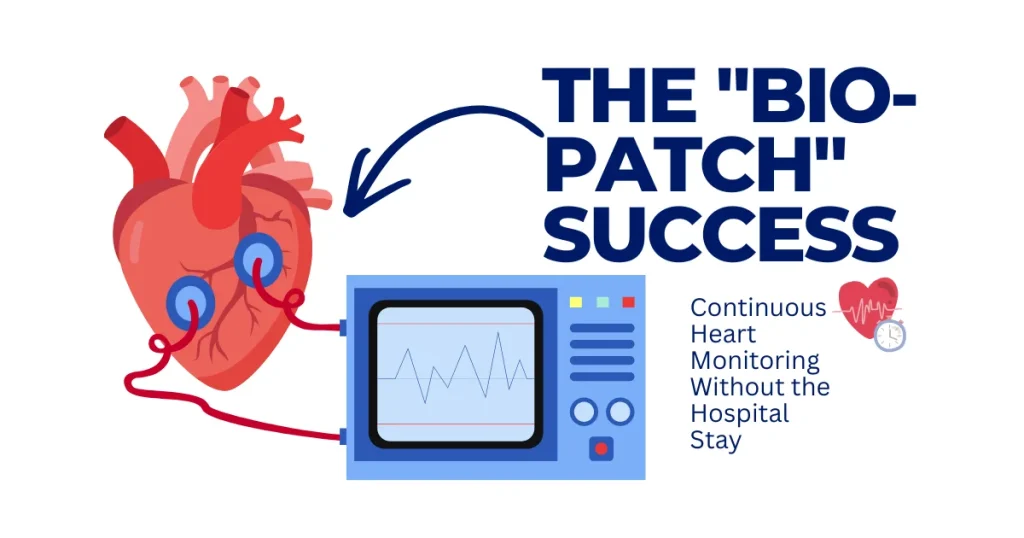
- Remote ECG Patches: Capturing heart rate recovery and arrhythmias during a patient’s actual daily routine, not just while they are sitting still in a doctor’s office.
- Smart Inhalers and Sleep Sensors: Providing objective evidence of how a drug affects a patient’s respiratory health and quality of life in their own bed.
This “Real-World Evidence” (RWE) is statistically superior in many ways. A single 15-minute observation in a clinic is a “snapshot.” A wearable sensor provides a “feature-length film” of a patient’s health.
Why the FDA is Fast-Tracking “Home-Based” Innovation Clinical Trials
One of the most exciting developments of 2026 is the FDA’s increased regulatory flexibility regarding decentralized data. The agency has recognized that diverse data leads to safer, more effective drugs.
Expert Insight: The FDA’s “plausible mechanism” pathway and new guidances on Bayesian Methodology (January 2026) allow for smaller, highly targeted trials. Because DCTs allow us to recruit specific genetic subpopulations from anywhere in the country, we can prove efficacy faster in “niche” groups, leading to accelerated approvals for personalized therapies.
By removing the “noise” of travel stress and white-coat hypertension, and by including a broader spectrum of human biology (variations in race, sex, and lifestyle), the data becomes more “robust.” The result? We are seeing life-saving treatments for rare diseases and personalized oncology reaching the market months, sometimes years, ahead of old-world projections.
Bridging the “Digital Divide”
As a health professional, I must offer a word of caution. While decentralization promotes diversity, it also risks creating a “digital divide.” True equity in 2026 means ensuring that participants are provided with the necessary hardware (tablets, sensors) and reliable internet access as part of the trial protocol. We cannot trade geographic barriers for technological ones.
The Road Ahead: Personalized Medicine for Everyone
The shift to home-based research is the final piece of the personalized medicine puzzle. When we understand how a drug works on a diverse population in their natural environment, we stop practicing “average medicine” and start practicing “your medicine.”
For the first time in medical history, the “average patient” in a clinical trial actually looks like the average person on the street. That is a revolution worth celebrating.
Sources & References
- FDA: Guidance on Conducting Clinical Trials with Decentralized Elements (Updated 2026)
- Navitas Life Sciences: Clinical Trial Trends in 2026
- PubMed Central: Operationalizing DCTs – Technology Insights from Trials@Home
- Signant Health: 2026 Trends Report on Digital Measures and Rare Diseases
- Vivalink: The Role of Wearable Sensors in Decentralized Research
Health Disclaimer: The information provided in this article is for educational and informational purposes only and is not intended as medical advice. Always seek the advice of a qualified healthcare provider regarding any medical condition or participation in clinical research. Clinical trial protocols vary significantly, and participation should only be considered after a thorough consultation with a licensed medical professional. DrugsArea
People Also Ask
1. What exactly is a decentralized clinical trial (DCT) in 2026?
A decentralized trial—often called a “home-based” or “virtual” trial—is a research study where some or all activities happen away from a traditional hospital site. In 2026, this means using a mix of wearable sensors, mobile apps, and local “retail health” clinics to bring the study to the patient, rather than making the patient travel to the study.
2. Are decentralized trials actually safe for participants?
Yes, and in many ways, they are safer because of continuous monitoring. Instead of a doctor seeing your vitals once a month at a clinic, wearable devices in 2026 track your data 24/7. If a red flag pops up, AI-driven systems alert the medical team instantly, allowing for much faster intervention than a traditional site-based model.
3. How do I get my medication in a home-based trial?
The “revolution” part of 2026 involves sophisticated Direct-to-Patient (DtP) logistics. Study drugs are shipped in temperature-controlled, smart-tracked packaging right to your door. For treatments that require a professional, mobile nurses (or “traveling investigators”) come to your home to administer the dose.
4. Do I need to be “tech-savvy” to join a decentralized trial?
Not anymore. By 2026, the industry has adopted “inclusive design.” Most trials now provide “concierge tech support” and simplified, pre-configured devices (like tablets or watches) that work right out of the box. The goal is to make the technology invisible so the focus stays on your health.
5. What are the biggest benefits of DCTs for patients?
The #1 benefit is freedom. You don’t have to take a full day off work or find childcare to sit in a waiting room. It opens up life-saving research to people in rural areas or those with mobility issues who were historically “locked out” of clinical trials.
6. How is data privacy handled in virtual research?
This is a top priority in 2026. Trials now use end-to-end encryption and often decentralized identity (blockchain-lite) protocols. You own your data, and the platforms are built to comply with strict global regulations (like GDPR and HIPAA) to ensure your medical history isn’t just floating around the cloud.
7. Is the “Hybrid” model different from a fully decentralized trial?
Think of it as a spectrum. A fully decentralized trial is 100% remote. A hybrid trial is the “sweet spot” of 2026—you might visit a specialist once for an MRI or a complex scan, but do your weekly check-ins and blood draws from home.
8. Can decentralized trials help improve medical diversity?
Absolutely. This is the “Revolution” part. Because geography is no longer a barrier, researchers can finally reach diverse ethnic and socioeconomic groups that don’t live near major “Ivory Tower” research universities. This makes the resulting medicines more effective for everyone.
9. Will decentralized trials replace traditional doctors?
Not at all. Your “Principal Investigator” (the lead doctor) is still very much in charge. The tech just acts as a bridge. In 2026, tele-visits are the norm, but they are designed to enhance the doctor-patient relationship by making it more frequent and less stressful.
10. How do I find a home-based clinical trial to join?
In 2026, most major registries like ClinicalTrials.gov have specific filters for “Remote” or “Decentralized” options. Many patient advocacy groups also host “matchmaking” platforms that pair your specific condition with trials that offer home-based participation.