The Window of Opportunity: Understanding the Migraine Aura
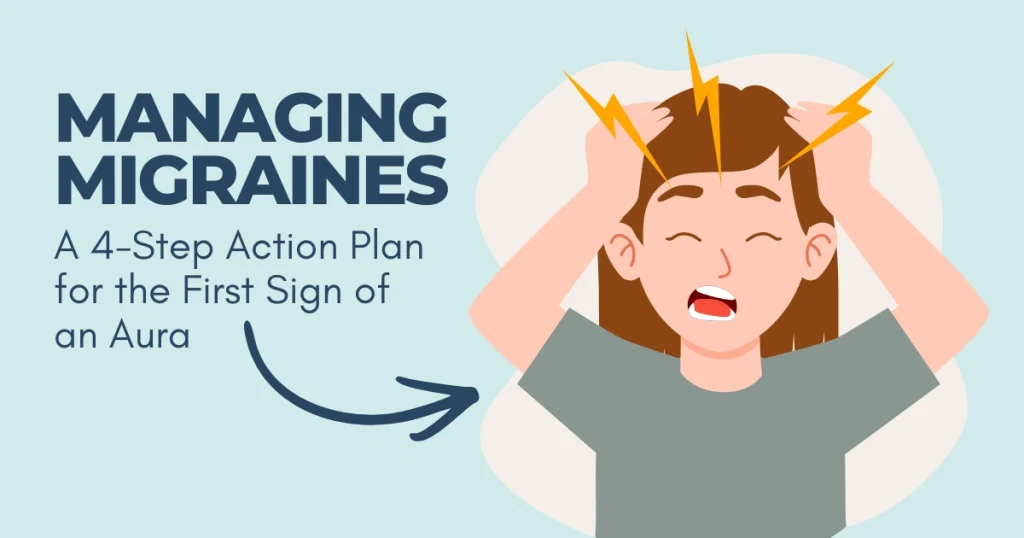
For approximately 25% to 30% of migraine sufferers, the “aura” is a neurological warning light. It’s a sensory disturbance—sparkling lights, zigzag lines, or tingling limbs—that signals a debilitating headache is imminent.
While the aura can be frightening, it actually provides a critical window of opportunity. If you act the moment those visual or sensory changes begin, you can often lessen the severity of the coming attack or, in some cases, truncate it entirely.
Here is your essential 4-step action plan to take control when the first sign of an aura appears.
Step 1: Immediate Medication (The “Golden Hour”)
The effectiveness of migraine-specific medications, such as triptans or gepants, is highly time-dependent.
- Don’t “Wait and See”: Many patients wait to see if the headache will be “that bad” before taking medicine. In migraine management, this is a mistake. Taking your prescribed acute treatment at the onset of the aura is significantly more effective than taking it once the pain reaches its peak.
- Anti-Inflammatories: If you don’t use prescription meds, a combination of an NSAID (like ibuprofen or naproxen) and a boost of caffeine can sometimes inhibit the inflammatory response.
- Anti-Nausea Prep: If your migraines typically involve vomiting, take an anti-emetic immediately to ensure your primary pain medication stays in your system.
Step 2: Environmental Lockdown (Sensory Deprivation)
During an aura, your brain is entering a state of hyper-excitability. Every photon of light and every decibel of sound acts as fuel for the coming “brainstorm.”
- Go Dark: Retreat to a pitch-black room. If you are at work or traveling, use a high-quality, contoured eye mask.
- Silence is Golden: Use earplugs or noise-canceling headphones. Even “calming” music can be overstimulating during the prodrome and aura phases.
- Temperature Control: Apply a cold compress or an ice cap to the base of your skull or forehead. This helps constrict blood vessels and numbs the localized pain signals.
Step 3: Hydration and Glucose Stabilization
Migraines are often triggered or worsened by fluctuations in the body’s internal balance.
- Electrolyte Rescue: Dehydration is a primary migraine trigger. Drink a glass of water with electrolytes (magnesium, sodium, and potassium). Magnesium, in particular, has been shown to help “calm” the cortical spreading depression that causes auras.
- Avoid Simple Sugars: While you might crave sugar, a blood sugar spike followed by a crash can intensify the headache. Opt for a small, protein-rich snack if you aren’t feeling nauseated.
Step 4: Neurological “Down-Regulating” (Breathwork)
The stress of noticing an aura often triggers a “fight or flight” response, which releases adrenaline and worsens the migraine.
- The 4-7-8 Technique: Inhale for 4 seconds, hold for 7, and exhale slowly for 8. This stimulates the vagus nerve and signals to your nervous system that it is time to shift from sympathetic (stress) to parasympathetic (rest) mode.
- Avoid Screens: The blue light and “flicker rate” of smartphones are neuro-stimulants. Put the phone away immediately after notifying whoever you need to notify.DrugsArea
Top 10 Frequently Asked Questions (FAQs)
1. How long does a migraine aura usually last?
Typically, an aura lasts between 5 and 60 minutes. If an aura lasts longer than an hour, or if it occurs without a headache for the first time, you should consult a doctor to rule out other neurological issues.
2. Can I have an aura without the headache following it?
Yes. This is known as an “acephalgic migraine” or “silent migraine.” While the pain is absent, the neurological symptoms can still be quite draining.
3. Does magnesium really help during an aura?
Research suggests that many migraineurs have low brain magnesium levels. Taking magnesium (specifically magnesium glycinate or threonate) can help stabilize neuronal membranes.
4. Why does light hurt so much during an aura?
This is called photophobia. During a migraine, the trigeminal nerve becomes sensitized, causing the brain to interpret normal light as a painful stimulus.
5. Should I exercise to “work through” the aura?
No. Physical exertion increases heart rate and blood flow, which usually intensifies migraine pain. Rest is the best course of action.
6. Is a migraine aura dangerous?
Generally, no. However, there is a statistical link between migraine with aura and a slightly increased risk of ischemic stroke. Discuss this risk and your use of hormonal contraceptives with your doctor.
7. Can caffeine stop an aura?
For some, caffeine helps by constricting blood vessels. For others, it’s a trigger. If you aren’t sure, it is best to stick to water and electrolytes.
8. What is the difference between a visual aura and a stroke?
Migraine auras usually “spread” or “grow” slowly over several minutes (e.g., a small blind spot that gets bigger). Stroke symptoms usually happen all at once. If you experience sudden paralysis or loss of speech, seek emergency care.
9. Can weather changes trigger an aura?
Yes, barometric pressure drops are a common trigger for many sufferers, as they affect the pressure in the sinuses and brain.
10. How often is “too often” for using acute medication?
If you are using acute medications (like triptans) more than 2 or 3 days a week, you may be at risk for “Medication Overuse Headache” (rebound headaches).
Sources and References
- American Migraine Foundation: Migraine with Aura Explained
- Mayo Clinic: Migraine Symptoms and Causes
- Journal of Headache and Pain: Acute Treatment Guidelines
- Cleveland Clinic: Managing Migraine Triggers