The Zone 2 Commute: Why Your Daily Walk is 2026’s Top Longevity Hack
Introduction: From “No Pain, No Gain” to “Slow and Steady”
If you had asked a fitness expert five years ago how to get in shape, they probably would have told you to join a high-intensity interval training (HIIT) class or start lifting heavy weights until you couldn’t move. But as we move through 2026, the narrative has shifted dramatically.
As a health professional, I’ve seen the “burnout” that comes with high-intensity-only programs. Today, the most respected longevity researchers aren’t talking about sprinting; they are talking about Zone 2. Specifically, they are talking about how you can integrate this “metabolic sweet spot” into your life without ever setting foot in a gym. Welcome to the era of the Zone 2 Commute.
The Science: What is Zone 2 and Why Does it Matter?
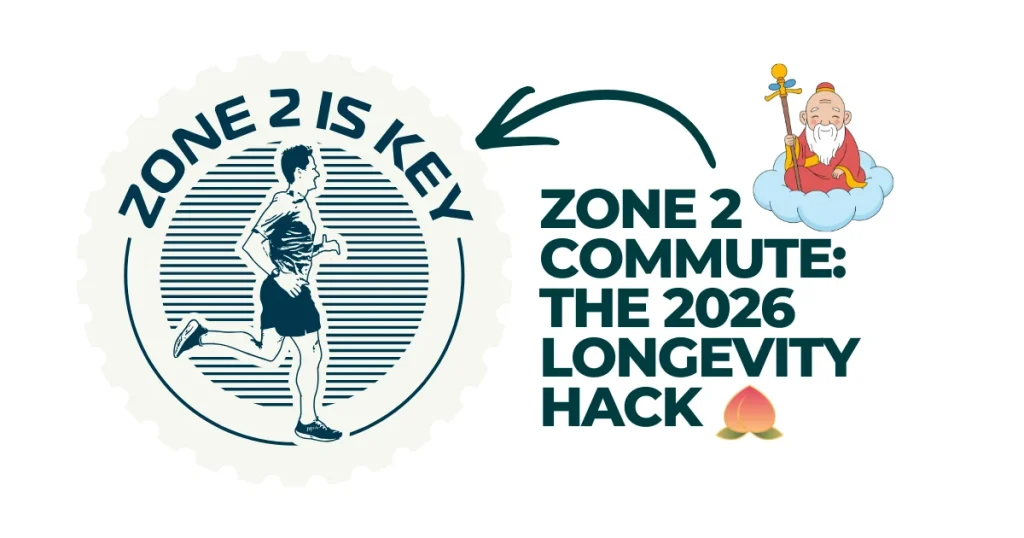
In simple terms, Zone 2 is a level of aerobic exercise where your body is working, but not struggling.
Technically, it is the intensity where your body primarily uses fat oxidation (burning fat) and mitochondrial function to produce energy. In 2026, clinical data has confirmed that hitting 150 minutes per week of Zone 2 cardio is the single most accurate predictor of a healthy heart and a long “healthspan.”
The “Talk Test” Rule:
How do you know if you’re in Zone 2? It’s the “late for a meeting” pace. You are walking fast enough that your breathing is heavier than usual, but you can still carry on a full conversation without gasping for air. If you’re too breathless to talk, you’ve pushed into Zone 3. If you aren’t breathing harder at all, you’re in Zone 1.
The “Commute Hack”: Fitness Without the Gym
The biggest barrier to fitness has always been time. We think we need a 60-minute block, a change of clothes, and a pre-workout drink. The Zone 2 Commute removes those barriers.
By simply walking to the train station, parking 15 minutes away from the office, or taking a brisk walk during your lunch break, you are engaging in high-level metabolic conditioning.
How to Execute the Perfect Zone 2 Commute:
- The “Late for a Meeting” Pace: Walk as if you’re about three minutes behind schedule. Your heart rate should rise, and you should feel a slight warmth in your body.
- The 20-Minute Window: Aim for 20 minutes in the morning and 20 minutes in the evening. This gives you 40 minutes a day. Over five days, that’s 200 minutes—well over the 150-minute “longevity threshold.”
- Mindful Movement: Focus on your posture. Keep your head up, shoulders back, and drive through your heels. This turns a simple walk into a functional movement session.
Why 2026 is the Year of Steady-State Cardio
Why are we seeing this shift now? In 2026, we have more access to wearable data (smartwatches and rings) than ever before. This data has shown us a startling truth: people who do high-intensity workouts twice a week but stay sedentary the rest of the time have worse metabolic markers than those who walk briskly every single day.
Zone 2 training builds your mitochondrial base. Think of your mitochondria as the “batteries” of your cells. The more you “charge” them through steady-state walking, the more energy you have for the rest of your day, the better your sleep becomes, and the more efficiently your body manages blood sugar.
The Metabolic Benefits of the Brisk Walk
- Insulin Sensitivity: Walking right after a meal (like your morning commute after breakfast) helps your muscles soak up glucose, reducing blood sugar spikes.
- Heart Rate Variability (HRV): Unlike high-intensity stress, Zone 2 actually helps calm the nervous system, improving your HRV—a key metric for stress resilience.
- Fat Utilization: Because Zone 2 doesn’t require “emergency” energy, your body gets very good at burning stored fat for fuel rather than just relying on quick carbs.
3 Common Mistakes to Avoid
- Going Too Fast: Many people feel like a walk “doesn’t count” unless they are sweating profusely. Resist the urge to run. Stay in the “uncomfortable but conversational” range.
- Inconsistency: Longevity isn’t built on a single marathon; it’s built on the 20-minute walk you do every Monday through Friday.
- Ignoring Footwear: If you’re turning your commute into a workout, invest in “office-appropriate” walking shoes or sneakers with good support. Your joints will thank you.
Comparison: Zone 2 Walking vs. High-Intensity Training
| Feature | Zone 2 Walking (Commute) | HIIT (High-Intensity) |
|---|---|---|
| Primary Fuel Source | Fat | Carbohydrates/Glycogen |
| Recovery Time | Immediate | 24–48 Hours |
| Impact on Stress | Lowers Cortisol | Raises Cortisol |
| Sustainability | Very High (Daily) | Moderate (2-3x per week) |
| Equipment Needed | Comfortable Shoes | Gym/Specialized Equipment |
Mental Health: The Underrated Bonus
Beyond the heart and the waistline, the Zone 2 commute acts as a “buffer zone” for your brain. In 2026, the term “Cognitive Clearing” has become popular. Using your walk to transition from “Home Mode” to “Work Mode” allows your brain to process stress before you sit down at your desk. It is a natural antidepressant that costs exactly zero dollars.
Conclusion: Start Tomorrow Morning
You don’t need a lifestyle overhaul to live longer. You just need to change your pace. Tomorrow morning, when you leave your house, don’t just stroll—march. Get that heart rate up into that “heavy breathing but talking” sweet spot. By the time you reach your destination, you won’t just be at work; you’ll be on your way to a longer, healthier life.
Health Disclaimer
While Zone 2 walking is generally safe for most people, please consult with a healthcare professional before starting any new exercise regimen, especially if you have pre-existing heart conditions, joint issues, or have been sedentary for a long period. This content is for educational purposes and is not a substitute for medical advice. DrugsArea
Sources & References
- Harvard Health: The Power of Brisk Walking, Peter Attia Drive: The Science of Zone 2, Journal of Longevity: 2026 Cardiovascular Meta-Analysis, Mayo Clinic: Fitness for Longevity
People Also Ask
1. What exactly is a “Zone 2” commute?
A Zone 2 commute is any form of travel—brisk walking, cycling, or rucking—where you maintain a steady, moderate intensity. You are in Zone 2 when your heart rate is roughly 60% to 70% of your maximum, meaning you’re breathing heavily enough that you can’t sing, but you can still hold a conversation.
2. Why is a Zone 2 walk considered a “longevity hack” in 2026?
The “hack” lies in mitochondrial efficiency. Unlike high-intensity sprints that burn glucose, Zone 2 training forces your mitochondria (the powerhouses of your cells) to become incredibly efficient at burning fat for fuel. This improves metabolic flexibility, reduces chronic inflammation, and is directly linked to a longer “healthspan.”
3. How do I know if my walking pace is actually in Zone 2?
The easiest “human” way to tell is the Talk Test. If you’re walking to work and can speak in full sentences but would struggle to recite a poem or sing a song without pausing for air, you’re in the sweet spot. If you’re using a smartwatch, look for a heart rate that feels like a 3 or 4 out of 10 in terms of effort.
4. Is walking to the train station enough to count as a Zone 2 session?
It depends on the duration. For the metabolic benefits to “kick in,” you generally need at least 30 to 45 minutes of continuous movement. If your walk to the station is only 10 minutes, you can still make it count by “stacking” it—walking an extra stop or taking a longer route to ensure you hit that 30-minute threshold.
5. Can a Zone 2 commute replace my gym workouts?
For cardiovascular and metabolic health, yes. Many people in 2026 are trading their grueling HIIT classes for daily Zone 2 commutes because it’s less stressful on the nervous system. However, for total longevity, you should still supplement your walks with at least two days of strength training to maintain muscle mass.
6. What are the benefits of Zone 2 over a normal casual walk?
A casual stroll (Zone 1) is great for mental health, but it doesn’t push the heart or mitochondria enough to trigger cellular adaptation. By picking up the pace just slightly into Zone 2, you actively lower your resting heart rate and improve your VO2 max, which is one of the strongest predictors of how long you will live.
7. Does “Rucking” make a Zone 2 commute more effective?
Absolutely. Rucking—walking with a weighted backpack—is a huge part of the 2026 longevity trend. Adding just 10–20 lbs to your work bag increases your heart rate into Zone 2 more easily without requiring you to “run,” while simultaneously building bone density and functional strength.
8. How many times a week should I do a Zone 2 commute?
To see significant longevity benefits, experts recommend a total of 150 to 180 minutes of Zone 2 per week. If you have a 20-minute brisk walk each way to work, five days a week, you’re hitting 200 minutes—surpassing the goal without ever stepping foot in a gym.
9. Will a Zone 2 commute help with weight loss?
Yes, but specifically visceral fat (the “bad” fat around your organs). Because Zone 2 is the “fat-burning zone,” your body becomes better at using fat stores for energy. Because it doesn’t spike cortisol (the stress hormone) like intense cardio can, it also helps prevent the “post-workout hunger” that often leads to overeating.
10. What if my commute involves hills or stairs?
Hills are a “Zone 2 trap.” It’s easy to accidentally spike your heart rate into Zone 3 or 4 when climbing. To keep it a longevity-focused walk, slow down on the inclines. The goal of Zone 2 is consistency, not intensity; staying “slow and steady” is actually what yields the long-term cellular results.
Would you like me to generate some high-performing SEO titles or a meta description to go along with this FAQ list?