The “Shield MCD” Launch: One Blood Test for 10 Cancers Arrives in Asia
An Innovation in Early Detection: The Shield Is Here
As a pharmacist, I have personally witnessed the devastation that results from a patient receiving a late-stage cancer diagnosis. Many “silent” killers, such as liver or pancreatic cancer, may show no signs until the illness is incurable. For this reason, the news that has been circulating around Asia this week is truly revolutionary in the field of public health.
Hong Kong, Singapore, and the Philippines are among the Asian regions where the Shield Multi-Cancer Detection (MCD) test has made its official debut. This technology is now going from the lab to the clinic thanks to a historic collaboration between Guardant Health and Manulife, providing a new line of defense in the fight against cancer.
How Ten Different Cancers Can Be Found in a Single Blood Draw
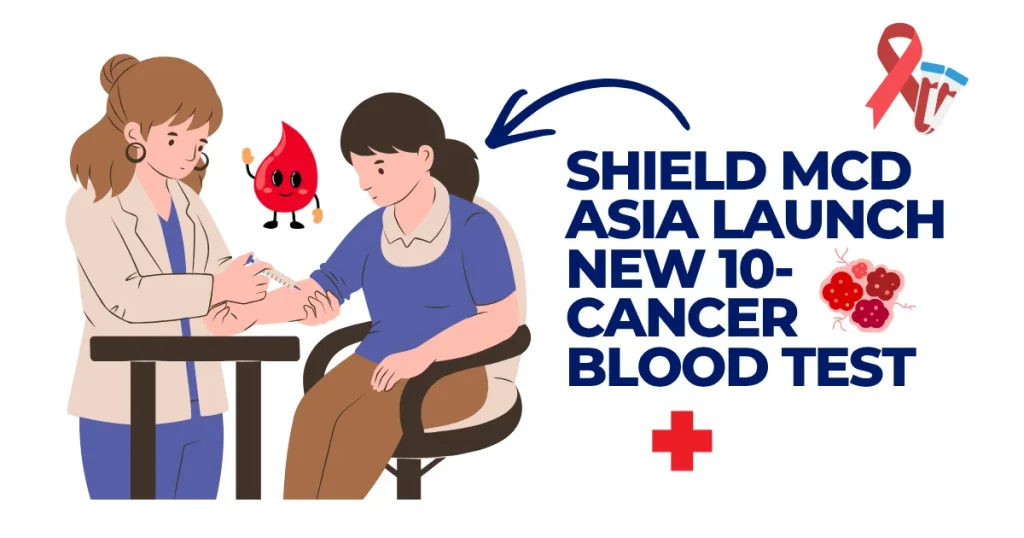
Although the technology underlying the Shield MCD test seems like something from a science fiction book, it is based on a technique known as methylation-based analysis.
Tiny genetic pieces are released into your circulation by cancer cells as they proliferate. The Shield test examines the “chemical tags” (methylation) on the DNA in addition to the DNA itself. Similar to a biological fingerprint, these tags notify medical professionals not only whether cancer is present but also where it most likely originated.
The test checks for ten of the most prevalent and deadly malignancies in the area with a single blood draw:
- Liver (Hepatocellular)
- Pancreas
- Colorectal
- Lung
- Breast
- Stomach (Esophageal-Gastric)
- Bladder
- Ovarian
- Prostate
- Esophageal
Why This Is Important for Individuals Over 45
Mammograms, PSA testing, and the dreaded colonoscopy are the typical screening “menu” that you are probably already familiar with if you are over 45. These are essential, but they only focus on one issue at a time.
The Shield MCD test functions similarly to a “Multi-Cancer Liquid Biopsy.” It is intended to identify signs that routine examinations could overlook in those at ordinary risk. The test demonstrated exceptional accuracy in clinical validations, especially in early-stage assessments when identifying aggressive tumors such as liver (94% sensitivity) and esophageal-gastric (96% sensitivity).
From the Pharmacist’s Point of View: Is It a Replacement?
To be clear, this is a “early-warning system,” not a substitute for conventional testing. As a medical professional, I continue to advise my patients to get a colonoscopy. Consider the Shield MCD test to be an effective safety measure. It covers the gaps for malignancies like pancreatic and stomach cancers that we don’t regularly test for. If the Shield test detects a “signal,” you and your doctor can begin additional investigation with imaging or biopsies when the malignancy is still very curable.
How to Use the Shield Test
In April 2026, the deployment will start. Eligible insurance clients in the launch areas will be among the first to gain access due to the collaboration with Manulife. However, you can discuss “Multi-Cancer Detection” blood tests with your doctor or specialist even if you do not have a policy.
This technology has already received the FDA’s Breakthrough Device Designation in the United States, indicating that it has the potential to revolutionize the way we detect serious illnesses. We now have access to the same precise medication in Asia.
Health Disclaimer
This article is for educational purposes only. The Shield MCD test is a screening tool and not a definitive diagnosis. It is intended for individuals aged 45+ at average risk. Always discuss screening options with your doctor or oncologist to determine what is right for your specific medical history. DrugsArea
Sources & References
- Guardant Health: Shield MCD Asia Launch Announcement,
- Manulife Asia: Health Innovation Partnership,
- BioSpectrum Asia: APAC MedTech Trends,
- National Cancer Institute (NCI): Vanguard Study Details