Predictive Asthma Care: Using Smart Inhalers to Prevent Attacks Before They Start
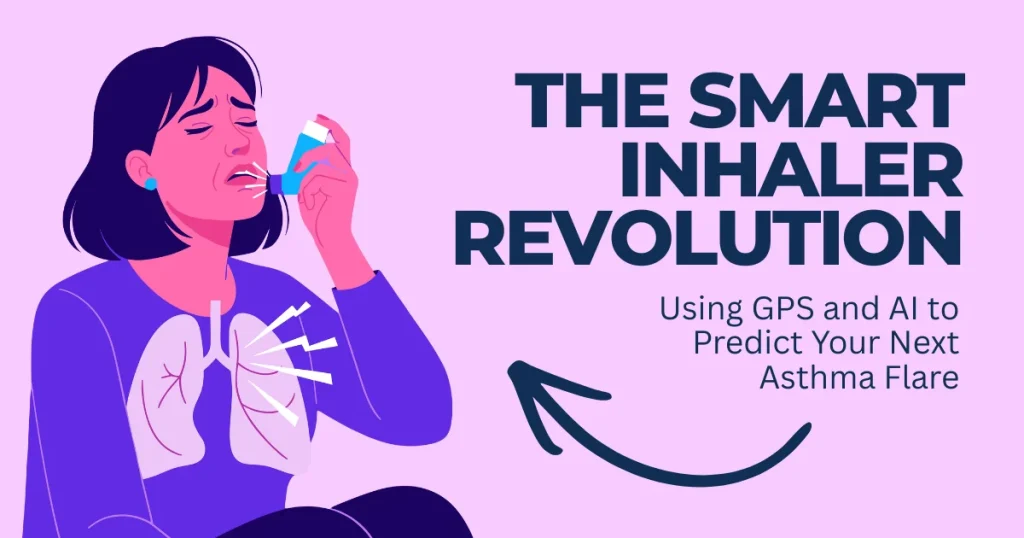
Asthma management is undergoing a quiet but profound digital revolution. For decades, the standard of care has been reactive: you feel a wheeze, you reach for a rescue inhaler. But the dawn of predictive asthma care—powered by smart inhalers and AI-driven data analytics—is flipping the script. Instead of merely reacting to a flare-up, we are entering an era where technology can signal an impending attack days before the first symptom appears.
This guide explores how smart inhalers are transforming respiratory health, the science behind predictive analytics, and why this technology is the key to a future with zero asthma-related hospitalizations.
What is Predictive Asthma Care?
At its core, predictive asthma care is the use of real-time data to anticipate and mitigate respiratory distress. Traditionally, asthma control was measured by a patient’s memory during a 15-minute doctor’s visit—a method notoriously prone to “recall bias.”
Smart inhalers (also known as digital inhalers) change this by integrating sensors into the medication delivery device. These sensors track:
- Adherence: Exactly when and where you take your maintenance medication.
- Usage Patterns: How often you rely on your “rescue” (reliever) inhaler.
- Technique: Whether you are inhaling with enough force to get the medicine into your lungs.
By layering this data with environmental factors like local air quality, pollen counts, and weather changes, AI algorithms can identify “red flag” patterns that precede a clinical exacerbation.
How Smart Inhalers Prevent Attacks Before They Start
The magic of these devices isn’t just in the hardware; it’s in the predictive analytics software they connect to. Here is the step-by-step process of how they move from data collection to prevention.
1. Identifying “Hidden” Overuse
Most asthma attacks don’t happen out of the blue. They are preceded by an increased reliance on rescue medication (like Albuterol). A smart inhaler logs every puff automatically. If the system detects you’ve used your rescue inhaler three times in 24 hours—a significant increase from your baseline—it can trigger an alert to both you and your doctor. This allows for a “step-up” in treatment before your airways become dangerously inflamed.
2. Monitoring Environmental Triggers
Many smart inhaler apps, such as those from Propeller Health or Adherium, use GPS data to correlate your inhaler usage with your location. If you consistently experience symptoms in a specific park or during a high-pollution commute, the app identifies these triggers. Predictive care means receiving a notification on your phone saying, “Pollen levels are high in your area today; ensure you take your preventer dose before leaving.”
3. Correcting Inhalation Technique
Even the best medication fails if it doesn’t reach the lungs. Modern smart inhalers, like the Teva ProAir Digihaler, measure the flow rate of your breath. If you are inhaling too shallowly, the app provides real-time coaching. By ensuring 100% of the dose is delivered correctly, the “preventer” medication actually has a chance to prevent the attack.
4. Risk Stratification via Machine Learning
In 2026, healthcare providers are using Machine Learning (ML) to categorize patients into risk tiers. By analyzing thousands of data points from a population of users, AI can predict with high accuracy which patients are at a 90% risk of a hospital visit within the next week. This allows clinicians to focus their time on the most vulnerable patients, providing proactive interventions like telehealth check-ins or adjusted prescriptions.
The Benefits: Beyond Just Breathing Easier
The shift toward a predictive model offers tangible benefits for every stakeholder in the healthcare ecosystem:
| Benefit | Impact on Patient | Impact on Healthcare System |
|---|---|---|
| Reduced Hospitalizations | Fewer ER visits and missed work/school days. | Lower costs and less strain on emergency departments. |
| Improved Adherence | Digital reminders ensure maintenance doses aren’t missed. | Better long-term outcomes and reduced chronic lung damage. |
| Personalized Insights | Knowledge of personal triggers (pollen, smoke, pets). | Data-driven adjustments to Treatment Action Plans. |
| Peace of Mind | Confidence that a “digital guardian” is watching for signs of trouble. | Improved patient-provider communication through remote monitoring. |
The Current Market: Leading Smart Inhaler Technologies
Several key players are leading the charge in 2026, making predictive care accessible to millions:
- Propeller Health: Known for their “clip-on” sensors that turn traditional inhalers into smart ones. Their platform is a gold standard for predictive alerts.
- Adherium (Hailie®): Focuses heavily on pediatric asthma, using gamification and reminders to keep children adherent to their preventer medications.
- Teva Pharmaceuticals: Developed the first integrated digital inhaler (Digihaler) with built-in sensors that don’t require an external attachment.
- AstraZeneca & GSK: Both giants have integrated digital connectivity into their primary brands (like Symbicort and Advair) through partnerships with tech firms to provide a “connected” experience.
Addressing the Challenges: Privacy and Access
While the technology is transformative, two main hurdles remain:
- Data Privacy: Smart inhalers collect sensitive location and health data. Ensuring this information is encrypted and GDPR/HIPAA compliant is paramount to gaining patient trust.
- Cost and Insurance: While many insurance providers are beginning to cover smart inhalers because they reduce expensive ER visits, universal access is still a work in progress.
The Future: Toward “Autonomous” Asthma Management
We are moving toward a future where the inhaler doesn’t just predict the attack—it helps manage the entire environment. Imagine a smart home system that receives a signal from your inhaler and automatically turns on high-efficiency air purifiers because it detects you are struggling.
Predictive asthma care is not just about a better device; it is about a more intelligent, connected life where the burden of managing a chronic condition is shared with technology. DrugsArea
Sources & References
- Pharmaceutical Journal: Smart inhalers: will they help to improve asthma care?
- NCBI PMC: Mobile Health and Inhaler-Based Monitoring Devices for Asthma Management
- DelveInsight: Smart Inhalers: Redefining Respiratory Care with Technology and Data
- NICE Guidelines: Evidence reviews for smart inhalers – NG245
- MDPI: Insights from Real-World Evidence on the Use of Inhalers
FAQs
1. What exactly is a “smart inhaler,” and how is it different from my regular one?
Think of a smart inhaler as your standard inhaler, but with a brain. It is either a specialized device or a small sensor (Bluetooth clip-on) that attaches to your existing inhaler. It automatically records when and where you use your medication and sends that info to an app on your phone.
2. How can an inhaler “predict” an asthma attack?
This is the magic part. The device doesn’t see the future, but it recognizes patterns that you might miss. If the sensors notice you are using your rescue inhaler more often than usual, or if you’re waking up at night to use it, the app flags this as a “worsening trend.”
Combined with local weather data (like high pollen counts or humidity), the system can alert you days before a full-blown attack occurs, giving you time to adjust your meds with your doctor’s advice.
3. Do I need to buy a brand new inhaler, or can I use my current prescription?
You likely don’t need to switch medications.
- Add-ons: Most technology available today involves a small sensor (like those from Propeller Health) that clips onto the canister of popular inhalers like Ventolin, Symbicort, or Advair.
- Integrated: Some newer inhalers (like Teva’s Digihaler) come with the sensors built-in, but these are specific prescriptions.
- Check First: Always check if a sensor exists for your specific brand before asking your doctor to switch prescriptions.
4. Can this technology help me improve my inhaler technique?
Yes, and this is a huge search volume topic because up to 90% of patients use their inhalers incorrectly.
Some advanced smart inhalers measure your “inspiratory flow”—how fast and deep you breathe in. If you breathe too fast or too slow, the app will tell you immediately, ensuring the medicine actually reaches your lungs instead of hitting the back of your throat.
5. Will it tell me what triggers my asthma?
Indirectly, yes. Because the inhaler has GPS (via your phone), it records the location where you had to use your rescue inhaler. Over time, the app creates a “trigger map.”
- Example: You might notice you always use your inhaler near a specific park (pollen) or a friend’s house (cats). This data helps you identify and avoid environmental triggers you weren’t consciously aware of.
6. Is it complicated to set up for children or seniors?
Manufacturers know that asthma affects all ages, so they prioritize simplicity.
- For Parents: You can sync your child’s inhaler to your phone. You get a notification every time they use it at school, so you know if they are having a rough day.
- For Seniors: Once the sensor is clipped on and paired, it usually works in the background. Many don’t require opening the app daily; they just beep or light up to remind you to take a dose.
7. Is my health data private, or is “Big Brother” watching my breathing?
Privacy is a top concern. Smart inhaler companies must comply with strict medical privacy laws (like HIPAA in the US or GDPR in Europe). Your data is encrypted. Generally, the only people who see it are you and the doctors/caregivers you explicitly choose to share it with. Insurance companies usually only see data if you opt-in to a specific wellness program for rewards.
8. Will my insurance cover a smart inhaler?
- Yes and No. Some insurance plans cover the sensors fully because they prevent expensive ER visits.
- Pharma Programs: Many pharmaceutical companies offer the sensor for free if you are on their medication.
- Direct Buy: You can sometimes buy sensors using FSA/HSA funds, though direct-to-consumer sales are less common than prescription bundles.
9. Can I share this data with my doctor easily?
Absolutely. Most apps have a “Provider Dashboard” or a “Send Report” button. Instead of walking into your annual checkup saying, “I think I’ve been okay,” you can hand your doctor a PDF graph showing exactly how many times you used your rescue inhaler in the last 6 months. This leads to much faster, more accurate adjustments to your treatment plan.
10. Is this only for people with severe asthma?
No. While it is critical for severe asthma, it is excellent for “mild” asthma too. Why? Because mild asthma often leads to complacency. People forget their preventative meds because they “feel fine,” until they suddenly don’t. The smart inhaler’s medication reminders (which buzz or ding if you miss a dose) are proven to boost adherence by up to 50%, keeping mild asthma from turning severe.