The Microbiome Paradox: When Your “Healthy” Salad Triggers Systemic Inflammation
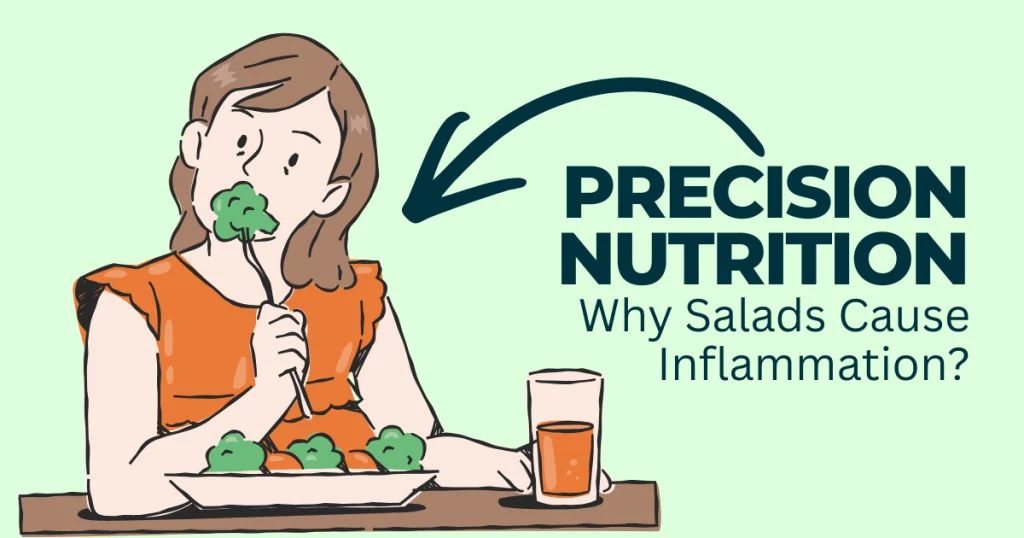
For years, the gold standard of nutritional advice has been simple: eat more greens. As a health professional, I’ve spent countless hours echoing this sentiment. However, clinical experience and emerging microbiome research are revealing a complex reality. For a significant number of people, that nutrient-dense kale and chickpea salad isn’t a “superfood”—it’s a source of systemic inflammation.
Understanding why requires us to move beyond the “calories in, calories out” model and into the realm of microbiome precision.
The Myth of the Universal Superfood
The fundamental error in modern dietetics is the assumption that a food’s biochemical profile remains static once ingested. We view a salad as a collection of vitamins, minerals, and fiber. But in reality, food is information that is interpreted by your unique gut microbiome.
If your gut lacks the specific bacterial “machinery” to process certain raw fibers or anti-nutrients, that healthy salad doesn’t just sit there. It fermentates improperly, irritates the intestinal lining, and triggers an immune response. This is how “healthy” eating becomes a driver of chronic inflammation.
1. The Fiber Gap: Complexity vs. Capacity
Fiber is essential, but it is also heavy-duty work for the gut. Raw cruciferous vegetables (broccoli, cauliflower, kale) contain complex polysaccharides like raffinose.
- The Conflict: If your microbiome is in a state of dysbiosis—an imbalance of good vs. opportunistic bacteria—you may lack the enzymes necessary to break these down.
- The Result: Undigested fibers reach the colon where they are fermented by the wrong bacteria, producing excess gas and metabolic byproducts that compromise the gut barrier (Leaky Gut).
2. The Oxalate Overload
Many “salad staples” like spinach, Swiss chard, and beet greens are high in oxalates. In a healthy gut, bacteria like Oxalobacter formigenes break these down. However, due to antibiotic use or poor diet history, many people lack these specific microbes.
- The Inflammation Trigger: When oxalates aren’t degraded, they can form sharp calcium oxalate crystals. These crystals don’t just cause kidney stones; they can lodge in tissues, triggering the “inflammasome,” a key part of the innate immune system.
3. Lectins and Plant Defense Mechanisms
Plants are not passive participants in the food chain; they have evolved chemical defenses. Lectins (found in raw peppers, tomatoes, and legumes often added to salads) can bind to the lining of the digestive tract.
- Microbiome Precision: Some microbiomes are adept at neutralizing these proteins. Others, particularly those already dealing with low-grade inflammation, see lectins as a “breach,” leading to increased intestinal permeability and a body-wide inflammatory cascade.
Symptoms Your Salad is Working Against You
If you experience these “healthy eater” red flags, your microbiome may not be ready for your current diet:
- Post-Prandial Bloating: Distension within 30-60 minutes of eating a raw salad.
- Brain Fog: Feeling “clogged” or tired after a nutrient-dense meal.
- Joint Pain: Migratory aches that flare up after high-oxalate or high-lectin intake.
- Skin Issues: Eczema or rosacea flares despite a “clean” diet.
How to Achieve Microbiome Precision
To stop the inflammation, we must shift from generalized nutrition to personalized strategies.
- Transition from Raw to Resilient: If raw salads cause distress, pivot to steamed or fermented vegetables. Heat breaks down many of the structural fibers and anti-nutrients that trigger the immune system.
- Diverse Fiber Rotation: Don’t eat the same three greens every day. Introducing small amounts of diverse fibers helps “train” the microbiome without overwhelming it.
- Probiotic Synergy: Pair your greens with fermented foods (like sauerkraut or kimchi). The live cultures provide the enzymatic support needed to process tough plant matter.
- Listen to the “Second Brain”: If a food makes you feel ill, it isn’t “healing” you, regardless of its vitamin content.
Conclusion
Microbiome precision is the future of preventative medicine. We must stop blaming patients for “not eating enough greens” and start looking at whether their internal ecosystem is equipped to handle them. True health isn’t found in a specific bowl of vegetables; it’s found in the harmony between what you eat and the trillions of microbes that call you home. DrugsArea
SEO Optimization Suite
Short Title: Microbiome Precision: Why Salads Cause Inflammation
Short Slug: microbiome-precision-salad-inflammation
Short Meta Description: Can a healthy salad cause inflammation? Discover how microbiome precision reveals why “superfoods” trigger immune responses in certain gut types.
Sources & References
- Nature Communications: Gut microbiome diversity and inflammatory response,
- Cell Host & Microbe: Impact of dietary fiber on gut barrier function,
- Journal of Clinical Investigation: Oxalates and systemic inflammation,
- Frontiers in Immunology: Lectins and intestinal permeability,
- The Lancet: Precision nutrition and microbiome mapping
People Also Ask
1. General Inquiry & Symptoms
Q: Can eating salads actually cause inflammation?
A: Yes, for certain individuals. While salads are generally healthy, raw vegetables can be difficult to digest for people with compromised gut health, SIBO, or IBS. Additionally, “anti-nutrients” like lectins or oxalates found in some greens, as well as inflammatory seed oils in dressings, can trigger an immune response and inflammation in sensitive bodies.
Q: Why do I feel bloated and inflamed after eating a salad?
A: Post-salad bloating is often caused by the high fiber content and tough cellulose in raw vegetables, which can be hard to break down. If you have an imbalance of gut bacteria (dysbiosis), fermenting this fiber produces gas. High-FODMAP ingredients like onions, garlic, or certain cruciferous veggies are common culprits.
2. Precision Nutrition & Mechanisms
Q: What is the precision nutrition view on raw salads?
A: Precision nutrition suggests that there is no “one-size-fits-all” diet. It recognizes that while raw salads suit some genetic profiles and microbiomes, others may react poorly due to specific gene variants, digestive enzyme deficiencies, or sensitivity to plant defense chemicals like lectins, requiring a customized approach to vegetable consumption.
Q: Are lectins in salad greens harmful?
A: For most people, lectins are harmless in moderate amounts. However, for those with autoimmune conditions or “leaky gut,” lectins (found in nightshades like tomatoes and peppers, or seeds/nuts in salads) can bind to the intestinal lining, potentially increasing intestinal permeability and causing systemic inflammation.
Q: How do oxalates in spinach affect inflammation?
A: Spinach and chard are high in oxalates, which are compounds that can bind to calcium. In people who are sensitive or prone to kidney stones, high oxalate intake can trigger inflammation, joint pain, or tissue irritation. Precision nutrition often recommends swapping high-oxalate greens for low-oxalate options like arugula or romaine.
3. Preparation & Alternatives
Q: Is cooked or raw better for reducing inflammation?
A: For individuals with digestive issues, cooked vegetables are often better for reducing inflammation. Lightly steaming or sautéing breaks down tough cellulose fibers and degrades some anti-nutrients (like goitrogens and some lectins), making the nutrients more bioavailable and the food much gentler on the digestive tract.
Q: Can salad dressing be a source of inflammation?
A: Absolutely. Many commercial salad dressings use highly processed seed oils (like soybean, canola, or sunflower oil) which are high in Omega-6 fatty acids. excessive Omega-6 consumption can promote inflammation. Furthermore, added sugars and artificial preservatives in store-bought dressings can disrupt gut health.
4. Medical & Gut Health Context
Q: Why are salads bad for SIBO?
A: Salads can be problematic for SIBO (Small Intestinal Bacterial Overgrowth) because raw vegetables provide abundant fiber and fermentable sugars that feed bacteria in the small intestine. This fermentation process creates excess gas and bloating, exacerbating SIBO symptoms and causing localized inflammation in the gut.
Q: What are low-inflammation salad alternatives?
A: To minimize inflammation, try “warm salads” using roasted root vegetables, or switch to low-FODMAP greens like butter lettuce, arugula, and cucumber. Peel and deseed vegetables (like cucumbers and tomatoes) to remove lectins, and always use anti-inflammatory fats like extra virgin olive oil or avocado oil for dressing.
Q: Does histamine intolerance affect salad choices?
A: Yes. Common salad ingredients like spinach, tomatoes, and eggplant are high in histamine or trigger histamine release. For individuals with histamine intolerance or MCAS (Mast Cell Activation Syndrome), eating these “healthy” foods can trigger an inflammatory response, including hives, headaches, and digestive distress.