American Heart Month: The “Silent” Risk of Cold-Weather Hypertension
Introduction: The Hidden Winter Threat
February is widely recognized as American Heart Month, a time dedicated to spreading awareness about cardiovascular health. While most of us focus on heart-healthy diets and stress management, there is a “silent” seasonal factor that often goes unnoticed: the impact of plummeting temperatures on your arteries.
As a health professional, I often see a spike in cardiac events during the winter months. It isn’t just a coincidence. There is a physiological phenomenon known as the Vasoconstriction Peak that turns the cold air into a legitimate stress test for your heart. If you or a loved one manages high blood pressure (hypertension), understanding this connection is not just helpful—it’s lifesaving.
The Science of the “Vasoconstriction Peak”
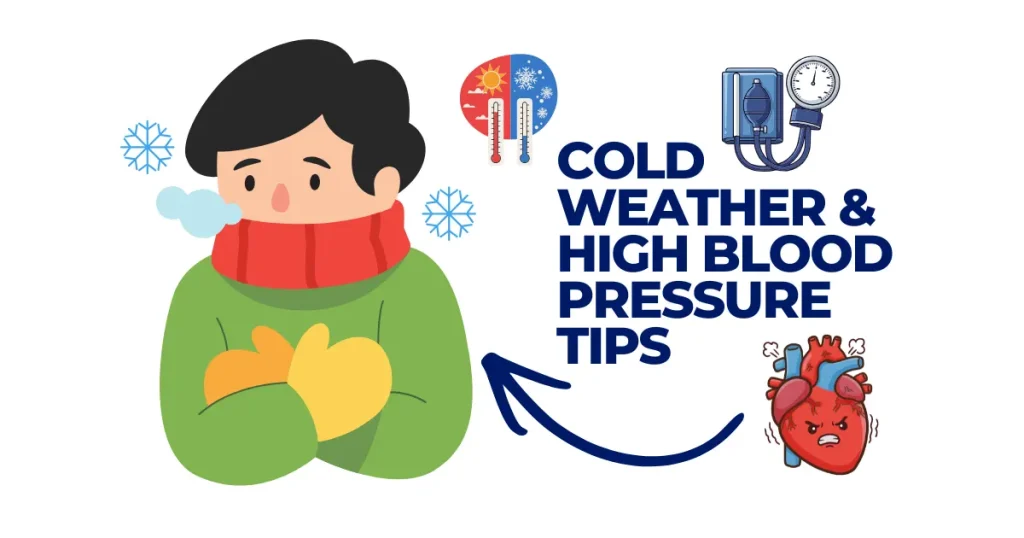
When your body is exposed to cold air, its primary goal is to protect your internal organs and keep your core temperature stable. To do this, your nervous system triggers a process called vasoconstriction.
What is Vasoconstriction?
In simple terms, your blood vessels narrow or “tighten.” Think of it like a garden hose: if you put your thumb over the opening, the water comes out with much more force. In your body, this narrowing forces your heart to pump harder to move blood through a smaller space.
The 10% Spike
Research consistently shows that blood pressure readings are higher in the winter than in the summer. For older adults or those with pre-existing heart conditions, this isn’t a minor shift. The cold can cause blood pressure to spike by up to 10%. When you combine this with the fact that cold weather also makes blood thicker and more prone to clotting, you have a recipe for a cardiovascular emergency.
The Early Morning “Cold-Shock”
Timing matters. The human body follows a natural “circadian rhythm,” and our blood pressure naturally begins to rise just before we wake up.
When you step out into a freezing February morning, you are introducing a “cold-shock” to a system that is already ramping up for the day. This sudden transition causes an immediate surge in catecholamines (stress hormones), which further constricts the vessels and puts an immense load on the left ventricle of the heart.
The Danger of Heavy Exertion: The Shoveling Risk
We’ve all seen the headlines about “snow shoveler’s heart attack.” This isn’t just an old wives’ tale; it is a clinical reality.
Heavy physical exertion—like lifting heavy snow or even brisk walking against a freezing wind—requires the heart to demand more oxygen. However, because the cold has already constricted the vessels, the heart is struggling to receive that oxygen.
Professional Note: Shoveling snow is uniquely dangerous because it involves isometric exercise (straining while holding your breath) and upper-body work, both of which increase blood pressure more than lower-body exercises like walking.
Actionable Steps: Protecting Your Heart This February
Knowledge is power, but action is protection. Here is how you can manage the “Silent Risk” of cold-weather hypertension:
- Monitor More Frequently: If you have a home blood pressure cuff, take your readings more often during cold snaps. If you notice a consistent 10% increase, contact your doctor to see if a medication adjustment is necessary for the season.
- Layer Up: Wear a scarf over your nose and mouth. This warms the air before it hits your lungs, reducing the “shock” response that triggers vasoconstriction.
- Avoid the Morning Rush: If you must clear snow or exercise outdoors, wait until the afternoon when the air is slightly warmer and your body’s natural blood pressure rhythm has stabilized.
- Warm Up Indoors: Before heading outside, do some light stretching or movement inside to get your blood flowing gradually.
- Listen to Your Body: Chest pain, shortness of breath, or sudden lightheadedness are not “normal” signs of being cold. They are emergency signals.
Conclusion
American Heart Month is the perfect time to recalibrate your habits. By respecting the Vasoconstriction Peak and adjusting your morning routine, you can stay active while keeping your heart safe. Don’t let the “silent” risk of winter hypertension catch you off guard. Stay warm, stay monitored, and stay heart-healthy.
Health Disclaimer
The information provided in this article is for educational and awareness purposes only and does not constitute medical advice, diagnosis, or treatment. Always seek the advice of your physician or another qualified healthcare provider with any questions you may have regarding a medical condition. Never disregard professional medical advice or delay in seeking it because of something you have read here. DrugsArea
Sources & References
- American Heart Association: How Cold Weather Affects Heart Health
- Harvard Health: The Effects of Cold Weather on Blood Pressure
- Mayo Clinic: High Blood Pressure and Cold Weather
- National Institutes of Health (NIH): Seasonal Variation in Blood Pressure
People Also Ask
1. Why does blood pressure increase when it’s cold outside?
When you are exposed to cold temperatures, your body tries to maintain its core heat by narrowing your blood vessels—a process called vasoconstriction. Because there is less “room” for blood to flow through these tightened vessels, the pressure required to move that blood increases. Think of it like putting your thumb over the end of a garden hose; the same amount of fluid is moving, but the pressure is much higher.
2. Can cold weather cause a heart attack even if I feel healthy?
Yes, and this is why it’s often called a “silent” risk. The combination of cold-induced high blood pressure and the physical exertion of moving through snow or wind puts a massive strain on the heart. Cold weather can also increase the “stickiness” of your blood, making clots more likely to form. For someone with undiagnosed plaque buildup, this “perfect storm” can trigger a cardiac event.
3. What are the symptoms of “cold-weather hypertension”?
That’s the danger: hypertension usually has no symptoms. You likely won’t feel your blood pressure rising. However, if it spikes significantly, you might experience dull headaches, shortness of breath, or a nosebleed. Because you can’t “feel” it, doctors recommend checking your numbers more frequently during the winter months, especially if you have a history of heart issues.
4. Is it safe to shovel snow if I have high blood pressure?
Generally, you should be very cautious. Shoveling snow is a “perfect storm” for the heart: it involves heavy lifting (isometric exercise) and cold air inhalation, both of which spike blood pressure instantly. If you have known hypertension, it is often safer to hire help or use a snowblower. If you must shovel, take frequent breaks and avoid heavy meals or caffeine immediately before or after.
5. How much does temperature actually affect blood pressure readings?
Studies show that blood pressure readings can be significantly higher in the winter than in the summer. Even a small drop in outdoor temperature can lead to a measurable rise in systolic and diastolic numbers. This is why some patients require seasonal adjustments to their medication—a phenomenon many people aren’t aware of until they check their numbers in February.
6. Does staying indoors in the heat prevent winter hypertension?
While staying warm helps prevent vasoconstriction, it’s not a total fix. Winter often brings lifestyle changes—like eating more salt-heavy “comfort foods,” being less active, and increased stress from the holidays—all of which contribute to higher blood pressure. To stay safe, you need to manage both your external temperature and your internal habits.
7. How should I dress to protect my heart during American Heart Month?
The goal is to prevent your body from “shocking” its system with cold. Layering is key. Wear a hat and scarf; a significant amount of body heat is lost through the head, and breathing in cold air through a scarf can help warm the air before it hits your lungs, reducing the strain on your heart.
8. Can Vitamin D deficiency in winter affect my blood pressure?
There is a strong correlation. Lower levels of Vitamin D (due to lack of sunlight in winter) have been linked to increased arterial stiffness and higher blood pressure. During American Heart Month, many physicians recommend checking your Vitamin D levels as part of a comprehensive heart-health plan to help manage the “silent” winter spike.
9. Should I change my blood pressure medication dosage in the winter?
Only under a doctor’s supervision. Some people do experience “seasonal hypertension” and may need a slight increase in dosage during the coldest months. If you notice your home readings are consistently higher in January and February, schedule a check-up. Do not wait until your spring appointment to address winter spikes.
10. Why is American Heart Month held in February?
While it was originally designated to raise awareness about heart disease as the leading cause of death, February is the perfect time for the campaign because it coincides with the peak of winter. It serves as a critical reminder to monitor heart health exactly when the “silent” environmental risks—like cold-weather hypertension—are at their highest.
Would you like me to turn these FAQs into a set of high-engagement social media graphics or an email newsletter for your audience?