India’s “Double Burden” | Why 56 Million Children Face an Obesity Crisis by 2040
Undernutrition to Overnutrition: The Imminent Crisis
As a medical practitioner on the front lines of pediatric care, I am witnessing a change that ought to worry all Indian parents. Our national health priority for decades was, understandably, on preventing stunting and famine. However, a different type of alarm has been raised today by a startling new global study from the World Obesity Federation.
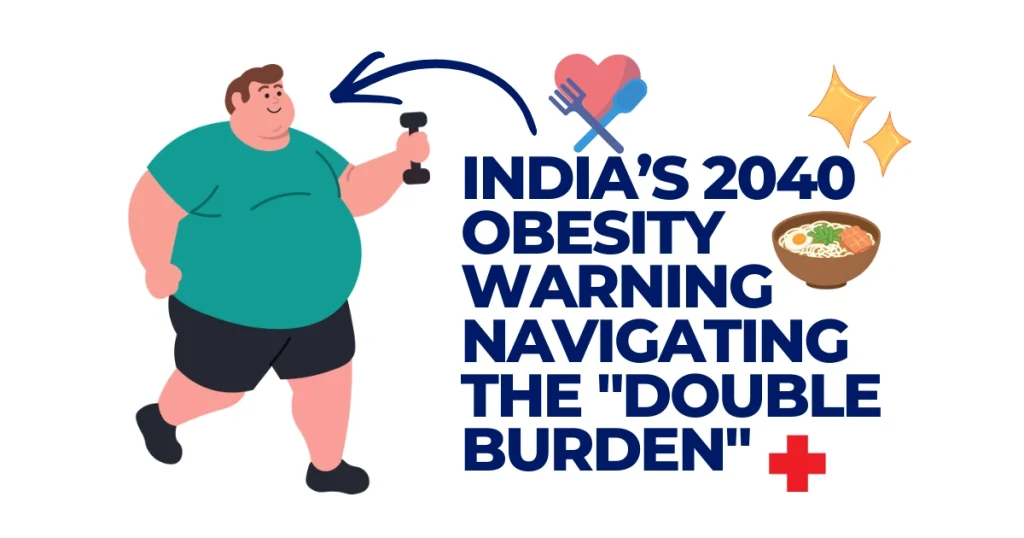
It is anticipated that 56 million youngsters in India would be overweight or obese by the year 2040. Overnutrition, or consuming too many calories, is becoming as common and deadly as undernutrition. This is known as the “Double Burden” that we are currently seeing. The “thin-fat” phenotype—children who may appear average in weight but have dangerously high amounts of internal visceral fat—occurs in many metropolitan families.
The “Whole-Family Screening” protocol for 2026.
By 2026, we have outgrown the notion that obesity is solely caused by “eating less.” The metabolic problem is complicated. Whole-Family Screening has become the new standard in our clinical approach. Why? Because the adults a kid lives with have an impact on their health environment.
“Weight check” is no longer sufficient if your child is scheduled for an annual check-up. Make sure their 2026 screening consists of the following to stay ahead of the curve:
Blood Pressure Monitoring: High BMI is now directly associated with early-onset hypertension, even in children as young as six.
Triglyceride Panels: Elevated triglycerides are a precursor to cardiovascular problems in the future.
Check for Acanthosis Nigricans: Look for dark, smooth patches of skin on the neck, which frequently indicate insulin resistance before diabetes ever appears.
The First 1,000 Days Are When Prevention Begins
The road map for turning these figures around starts far before school age. Protecting breastfeeding for at least the first six months is a key component of the 2026 health standards. The metabolic “programming” that a child’s body needs to control insulin and appetite for the rest of their life is provided by breast milk.
When kids are old enough to attend school, the onus turns to our surroundings. We are pushing for stringent school food regulations, which would replace highly processed snacks with nutrient-dense, whole-food alternatives in canteens. By 2026, a “healthy school” will have a sugar-free policy in addition to a playground.
An Appeal to Parents
Obesity is a chronic medical disease, not a cosmetic problem or a sign of weakness. We have the capacity to alter the forecast, so the increase to 56 million is not certain. We may shield the next generation from a lifetime of metabolic illness by refocusing our attention from the individual child to the family lifestyle.
Health Disclaimer
This article is for informational and educational purposes only. It is not a substitute for professional medical advice, diagnosis, or treatment. Always seek the advice of your pediatrician or other qualified health provider with any questions you may have regarding a medical condition or lifestyle changes for your child. DrugsArea
Sources & References
- World Obesity Federation – World Obesity Atlas 2026,
- The Lancet – Global Burden of Malnutrition Study,
- ICMR-NIN Dietary Guidelines for Indians 2024/2026,
- Indian Journal of Pediatrics – Obesity Projections.