Mouth Taping for Heart Health: Viral Miracle or Dangerous Myth?
The 2026 Viral Trend That Has Doctors Talking
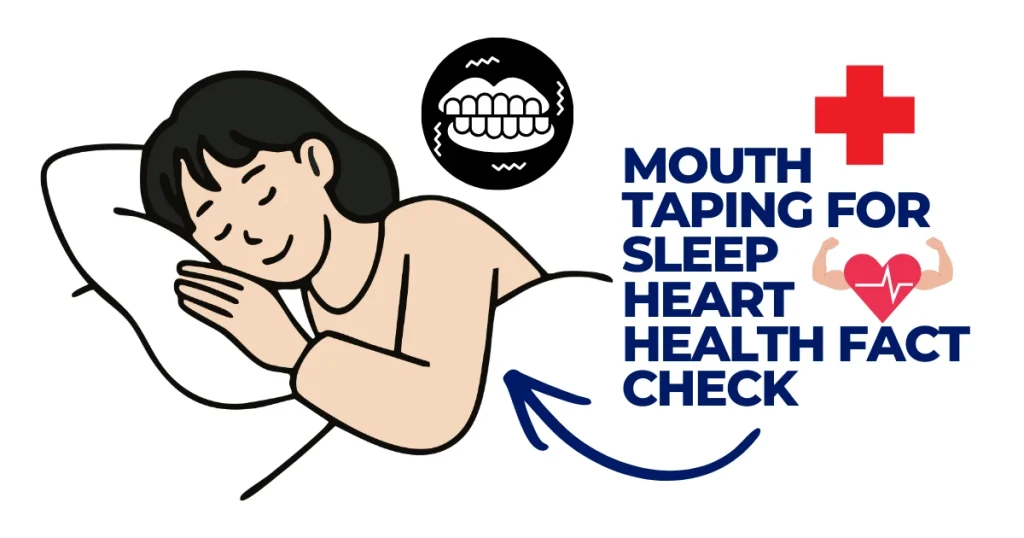
If you’ve scrolled through social media lately, you’ve likely seen it: people heading to bed with a small piece of medical tape over their lips. It’s called “Mouth Taping,” and in 2026, it has reached a fever pitch in the wellness and biohacking communities.
The claim? By forcing yourself to breathe through your nose at night, you can lower your blood pressure, improve your heart health, and wake up feeling like a superhero. As a health professional who watches these trends closely, I see the appeal. Nasal breathing is superior to mouth breathing. However, there is a massive difference between a biological goal and a safe practice.
Before you reach for the tape tonight, let’s look at the science, the cardiac connection, and the very real dangers you need to know.
Why Everyone is Obsessed with Nasal Breathing
Our noses aren’t just for smelling; they are sophisticated air filtration and conditioning systems. When you breathe through your nose, three things happen that benefit your cardiovascular system:
- Nitric Oxide Production: Your nasal passages produce nitric oxide (NO). This molecule is a vasodilator, meaning it helps relax and widen your blood vessels, which can lower blood pressure.
- Air Filtration: The nose warms, humidifies, and filters the air before it reaches your lungs, reducing irritation.
- Parasympathetic Activation: Nasal breathing is linked to the “rest and digest” nervous system, helping to lower your heart rate during sleep.
On paper, this sounds like a heart health win. But here is where the “viral” advice misses the mark.
The Hidden Danger: Undiagnosed Sleep Apnea
The biggest risk of mouth taping isn’t the tape itself—it’s what happens if your body needs to breathe through its mouth to stay alive.
In 2026, it is estimated that nearly 1 in 5 adults has some form of Obstructive Sleep Apnea (OSA). If you have OSA, your airway partially collapses during sleep. Your body’s “emergency exit” is often a gasp for air through the mouth. If you have taped that exit shut, you are creating a dangerous situation where your oxygen levels can drop significantly, putting massive stress on your heart.
Instead of improving heart health, mouth taping with undiagnosed apnea can lead to arrhythmias (irregular heartbeats) and increased nocturnal blood pressure.
Fact Check: Does it Actually Improve Heart Health?
The short answer: Only if your nasal passages are clear and you don’t have a sleep disorder.
For a healthy person with clear sinuses, nasal breathing definitely supports cardiac health. However, there is currently no high-level clinical evidence that “taping” specifically is more effective than other methods of encouraging nasal breathing. In fact, many cardiologists are concerned that the anxiety of having one’s mouth taped shut can actually increase cortisol levels in some sleepers, which is the opposite of what we want for a healthy heart.
Don’t Tape Yet: The “Nasal Priming” Alternative
If you want the benefits of nasal breathing without the risks of taping your mouth shut, I recommend a safer 2026 protocol called “Nasal Priming.”
Nasal Priming is the practice of clearing and hydrating the nasal airway about 30 minutes before bed. This naturally encourages your body to keep the mouth closed because breathing through the nose becomes the path of least resistance.
How to Practice Nasal Priming:
- Saline Rinse: Use a simple saline spray or a neti pot to clear out allergens and mucus.
- Hydration: Ensure you aren’t dehydrated, which can make nasal membranes swell.
- Positioning: Use a supportive pillow to keep your head slightly elevated, which reduces nasal congestion.
By “priming” the nose, you allow your body to choose nasal breathing naturally. If your body needs to open your mouth to catch a breath during the night, it still can. This is the safety-first approach to heart health.
When to See a Doctor
If you find that you can’t breathe through your nose at night, or if you wake up with a very dry mouth, don’t buy tape. Buy a consultation with a sleep specialist.
In 2026, we have incredible at-home sleep studies that can tell you within one night if you are a candidate for nasal breathing interventions or if you need a specialized device like a CPAP or a modern “smart” oral appliance.
The Final Verdict
Mouth taping is a “shortcut” that bypasses the most important step: understanding why you are breathing through your mouth in the first place. Focus on Nasal Priming and heart-healthy habits like consistent sleep timing and stress management. Your heart will thank you much more for a clear airway than for a piece of tape.
Health Disclaimer
This content is for educational purposes and is not a substitute for professional medical advice, diagnosis, or treatment. Never ignore professional medical advice or delay seeking it because of something you have read here. Always consult with a physician or sleep specialist before attempting mouth taping, especially if you snore or feel excessively tired during the day. DrugsArea
Sources & References
- American Heart Association – Sleep and Blood Pressure,
- Mayo Clinic – Sleep Apnea Symptoms,
- Journal of Clinical Sleep Medicine – Nasal vs Mouth Breathing,
- Sleep Foundation – 2026 Wellness Trends
People Also Ask
1. Does mouth taping actually improve heart health?
The connection is indirect but significant. The goal of mouth taping is to force nasal breathing, which triggers the release of nitric oxide—a molecule that helps dilate blood vessels and lower blood pressure. By potentially reducing snoring or mild sleep apnea, you lower the stress on your cardiovascular system. However, it is not a direct cure for heart disease and shouldn’t replace a cardiologist’s advice.
2. Is mouth taping safe to do every night?
For a healthy person with clear nasal passages, it’s generally considered safe, but it’s not for everyone. You should never tape your mouth if you have a cold, allergies, or have been drinking alcohol, as these can obstruct your breathing. Always use “porous” tape designed for skin (not duct tape!) so that if you truly need to breathe through your mouth, you can gasp through it or easily pull it off.
3. Can mouth taping cure sleep apnea?
Absolutely not. In fact, if you have undiagnosed Obstructive Sleep Apnea (OSA), mouth taping can be dangerous. OSA causes your airway to collapse; if your mouth is taped shut and your nose is blocked, your body can’t “panic breathe” through your mouth to get oxygen. If you suspect you have apnea, get a sleep study before trying this.
4. What are the benefits of breathing through your nose while sleeping?
Nasal breathing is the “gold standard” for a reason. Your nose filters allergens, humidifies the air, and adds resistance to your breath, which improves lung volume. Most importantly for heart health, it keeps your body in a parasympathetic (rest and digest) state rather than the “fight or flight” state often triggered by mouth breathing.
5. Will mouth taping help me stop snoring?
It can help if your snoring is caused by an open mouth (the “mouth breather” snore). By keeping the jaw closed, the soft tissues in the back of the throat are less likely to vibrate. However, if your snoring is nasal or caused by a deviated septum, taping your mouth won’t fix the sound and might just make you feel like you’re suffocating.
6. What kind of tape should I use for mouth taping?
Don’t grab the Scotch tape from the junk drawer. You need surgical-grade micropore tape or specialized “sleep strips.” These are designed to be gentle on the sensitive skin around your lips and are breathable enough to let a tiny bit of air through. They are also designed to lose their stickiness quickly if you need to rip them off in an emergency.
7. Can mouth taping lower high blood pressure?
Some small studies suggest that consistent nasal breathing can help lower blood pressure by reducing nighttime “cortisol spikes” caused by fragmented sleep. When you breathe better, you sleep deeper; when you sleep deeper, your heart gets a much-needed break. It’s a secondary benefit of better sleep quality, not a magic pill.
8. Are there side effects to mouth taping?
The most common side effects are minor: skin irritation around the mouth, disrupted sleep (if you’re anxious about the tape), or “lip glue” residue. The major risk is hypoxia (low oxygen levels) if you have an underlying respiratory issue or nasal obstruction that you weren’t aware of.
9. How do I know if I’m a “mouth breather” at night?
The “morning tell-tales” are usually a very dry mouth, bad breath (halitosis), a sore throat that disappears after a glass of water, or feeling exhausted even after eight hours of sleep. If you wake up and your pillow is damp from drooling, you’re almost certainly breathing through your mouth.
10. Should I talk to a doctor before trying mouth taping?
Yes, 100%. While it’s a “viral” trend, it involves your airway—the most critical part of your survival. A quick chat with your GP or a sleep specialist can rule out things like a deviated septum or sleep apnea, ensuring that your quest for better heart health doesn’t accidentally put your heart under more stress.