The “Brain-Fuel” Reset: How the ENERGISE-BD Trial is Redefining Diet for Bipolar Care
A New Chapter in Mental Health
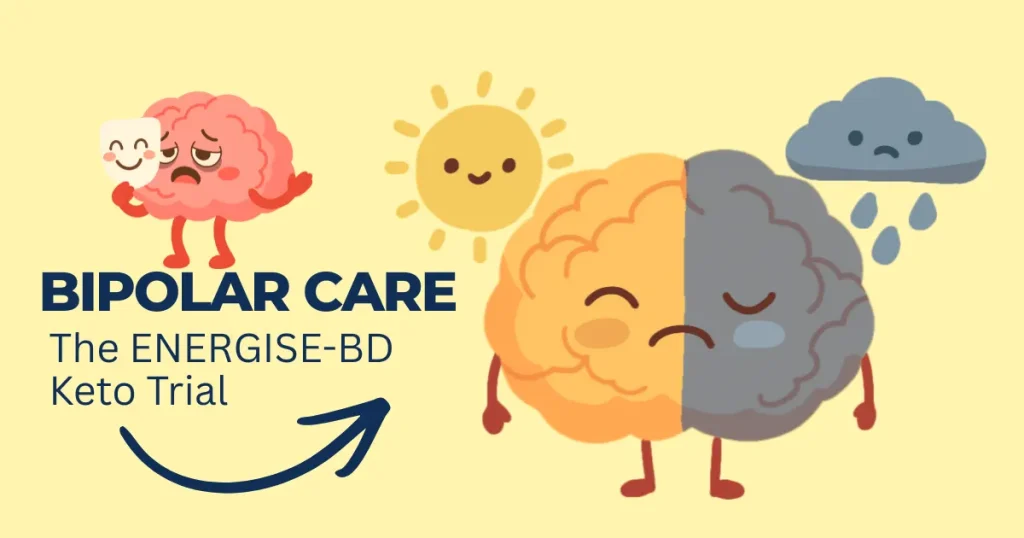
Today, February 2, 2026, marks a pivotal moment in the world of psychiatry. The official launch of the ENERGISE-BD trial represents more than just another line of research; it is a $7.9 million investment into a theory that many patients and clinicians have suspected for years: that the way we fuel our bodies directly dictates how our brains handle mood.
For decades, the “gold standard” for treating bipolar disorder has focused almost exclusively on neurotransmitters—the chemical messengers like serotonin and dopamine. While medications targeting these are lifesaving, they don’t always address the underlying “power plant” issues of the brain. The ENERGISE-BD trial is changing the conversation by looking at brain metabolism.
What is the ENERGISE-BD Trial?
The study is a rigorous, large-scale clinical trial designed to compare two distinct dietary approaches for people living with bipolar depression:
- Nutritional Ketosis: A high-fat, low-carbohydrate protocol designed to shift the body’s primary fuel source from glucose (sugar) to ketones.
- Standard Healthy Dietary Guidelines: A balanced diet often recommended by health authorities, focusing on whole grains, lean proteins, and fruits.
The goal? To see if shifting the brain’s “fuel” can reduce the debilitating symptoms of depression that many people with bipolar disorder face, even when on standard medication.
Why the Brain Needs a “Reset”
To understand why this trial matters, we have to look at the bipolar brain through a metabolic lens. Many researchers now view bipolar disorder as a “metabolic logjam.” In this state, the brain’s cells (neurons) struggle to process glucose efficiently.
Think of it like a hybrid car. If the gas engine (glucose) is sputtering and causing the car to jerk or stall, switching to the electric motor (ketones) might allow the vehicle to run smoothly again. Nutritional ketosis provides that alternative fuel.
The Science of Ketones and Mood
When the body enters ketosis, the liver produces ketone bodies. These molecules do three major things for the brain:
- Reduce Inflammation: Ketones are “cleaner” burning fuels that produce fewer reactive oxygen species (oxidative stress).
- Balance Glutamate and GABA: Ketosis tends to lower glutamate (an excitatory chemical that can cause “brain fry”) and increase GABA (a calming chemical).
- Boost Mitochondrial Health: It helps the “batteries” of your brain cells work more efficiently.
Moving Beyond Weight Loss
For years, the word “Keto” was synonymous with shedding pounds for beach season. However, the ENERGISE-BD trial signals a shift toward Metabolic Psychiatry. This isn’t about fitting into smaller jeans; it’s about stabilizing the “electrical grid” of the mind.
As a health professional, I find this trend incredibly promising because it empowers the patient. While you cannot easily change your genetics, you can change what is on your plate. However, this isn’t a “DIY” project. The trial highlights that nutritional ketosis for mental health is a clinical intervention, not just a lifestyle choice.
What This Means for You Today
While we wait for the full data from ENERGISE-BD to roll in, the launch of this study tells us several things about the future of care:
- Diet is a Pillar, Not a Perk: Nutrition is being elevated to a primary clinical tool alongside therapy and medication.
- Personalized Metabolism: We are moving away from “one size fits all” diets. Some brains may simply run better on fats than on carbs.
- The Rise of Metabolic Psychiatry: More clinics are beginning to offer metabolic assessments as part of standard psychiatric intake.
How to Support Your Brain Right Now
You don’t have to be in a $7.9M trial to start respecting your brain’s metabolic needs. Even if you aren’t ready for full ketosis, these professional “best practices” apply to almost everyone:
- Stabilize Blood Sugar: Avoid the “spike and crash” cycle of high-sugar processed foods, which can mimic or worsen mood swings.
- Prioritize Healthy Fats: Incorporate avocados, olive oil, and wild-caught fish to support cell membrane health.
- Consult Your Team: If you are curious about the ketogenic protocol, bring the ENERGISE-BD study details to your doctor.
Final Thoughts
The ENERGISE-BD trial is a beacon of hope. It validates the experiences of thousands who felt that “healthy eating” as usually defined wasn’t enough to keep their moods stable. By redefining brain fuel, we are redefining what it means to live—and thrive—with bipolar disorder.
As we move through 2026, keep an eye on this space. The intersection of the kitchen and the clinic is where the next great mental health breakthrough is happening.
Health Disclaimer
This article is for informational purposes only and does not constitute medical advice. Nutritional ketosis is a significant metabolic intervention. If you have bipolar disorder, never start a ketogenic diet or change your medication without direct supervision from your psychiatrist and a registered dietitian, as it can impact medication levels and mood stability. DrugsArea
Sources & References
- ClinicalTrials.gov: ENERGISE-BD Study Details
- Baszucki Group: Metabolic Psychiatry Funding & Initiatives
- International Society for Bipolar Disorders (ISBD) Nutrition Guidelines
- Journal of Clinical Psychiatry: Ketogenic Diet in Bipolar Disorder
People Also Ask
1. What is the ENERGISE-BD trial?
The ENERGISE-BD trial is a major £7.9M clinical study (Phase III) launched in 2026 to evaluate how specific diets can treat bipolar depression. Led by the Universities of Edinburgh and Birmingham, it specifically compares a nutritional ketosis diet against standard NHS EatWell guidelines to see which better reduces depressive symptoms and improves brain health.
2. How does the “Brain-Fuel” reset work for bipolar disorder?
The “Brain-Fuel” reset refers to switching the brain’s primary energy source from glucose (sugar) to ketones (fat). Many researchers believe bipolar disorder involves “clogged” brain metabolism; by using ketones, the brain may bypass these energy roadblocks, potentially stabilizing mood and reducing the “brain fog” often felt during depressive episodes.
3. Is the ketogenic diet safe for people with bipolar disorder?
Early pilot data and the ENERGISE-BD trial suggest that a supervised ketogenic diet is generally safe and well-tolerated. However, it’s not a DIY project—medical supervision is crucial because the diet can affect medication levels (like lithium) and may cause a temporary “keto flu” or, in rare cases, trigger mood shifts if not managed carefully.
4. Can diet alone replace medication for bipolar care?
Currently, the ENERGISE-BD trial investigates diet as an adjunctive (add-on) therapy, not a replacement. The goal is to see if changing what you eat can make standard treatments more effective or provide relief where medications alone have failed. You should never stop your medication without a psychiatrist’s guidance.
5. What are the main foods allowed in the ENERGISE-BD “keto” approach?
The trial focuses on nutritional ketosis, which involves high healthy fats (avocados, olive oil, butter), moderate protein, and very low carbohydrates (eliminating sugar, bread, pasta, and even most fruits). This forces the body to produce the ketones that act as the “alternative fuel” for the brain.
6. Why is the ENERGISE-BD trial focusing on glutamate?
Research shows that people with bipolar disorder often have elevated levels of glutamate, a chemical that can over-excite brain cells. Early studies indicate that a ketogenic diet can naturally lower brain glutamate levels, essentially “calming” the brain’s environment and potentially preventing mood swings.
7. How long does it take to see mood improvements on a metabolic diet?
In preliminary studies, participants reported noticing shifts in energy and “momentary mood” within 6 to 8 weeks of reaching consistent ketosis. The ENERGISE-BD trial is looking at these effects over a longer period to see if the changes are sustainable for long-term bipolar management.
8. What is the difference between the Mediterranean diet and the ENERGISE-BD diet?
While the Mediterranean diet is great for general heart and brain health (anti-inflammatory), the ENERGISE-BD trial focuses on ketosis. The Mediterranean diet still includes carbs (like whole grains), whereas the ENERGISE-BD keto approach is more restrictive to ensure the brain switches its fuel source entirely to ketones.
9. Can the ENERGISE-BD diet help with bipolar weight gain?
Yes, a significant “side benefit” being studied is metabolic health. Many bipolar medications cause weight gain and insulin resistance. The ketogenic approach used in the trial has shown a secondary benefit of helping patients lose weight and improve blood pressure, which are major concerns in long-term bipolar care.
10. How can I participate in the ENERGISE-BD clinical trial?
The trial is primarily recruiting through the NHS in the UK, specifically via the University of Edinburgh and the University of Birmingham. If you are under the care of a psychiatrist in these regions and struggling with bipolar depression, you can ask your care team about a referral to the ENERGISE-BD study sites.